Margins




548 Market St PMB 65688, San Francisco California 94104-5401 USA
© 2026 Paratext Inc. All rights reserved
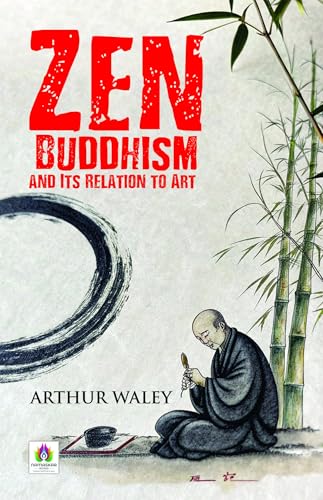
Zen Buddhism and Its Relation to Art by Arthur Waley delves into the profound connection between Zen philosophy and the world of art, illuminating how these two realms intertwine to create a unique aesthetic experience. Through a thoughtful exploration of the principles of Zen Buddhism, Waley uncovers the deep-rooted cultural significance of artistic expressions that emerge from this spiritual tradition. He takes readers on a journey through time, examining how Zen has influenced various art forms, particularly in Japan, and how these artistic practices reflect the fundamental tenets of mindfulness, simplicity, and contemplation. At the heart of this book is the idea that art is not merely an expression of visual beauty, but a pathway to deeper spiritual insight. Waley articulates how artists inspired by Zen Buddhism have embraced the meditative experience, using their craft as both an act of creation and a means of exploring their inner landscapes. By engaging with the art of Sumi-e painting and the elegance of Zen gardens, readers are shown how each brushstroke and arrangement of stones can embody the philosophy of living in the moment and finding peace amidst chaos. Waley's insights stress the importance of mindfulness in art, where the process becomes just as significant as the outcome. The Zen approach emphasizes the beauty in imperfection and spontaneity, encouraging artists to let go of self-judgment and be present during their creative process. This philosophy has given rise to a form of Zen aesthetics that celebrates simplicity and tranquility, enhancing the viewer's experience and inviting them to reflect on their own inner state. As Waley navigates through various historical and cultural contexts, he discusses the relationships between Zen and disciplines such as calligraphy, poetry, and traditional crafts, demonstrating how these art forms are imbued with spiritual significance. The author elucidates the interplay between artistic expression and Zen teachings, showing how this fusion fosters an environment of enlightenment, introspection, and personal transformation. Zen Buddhism and Its Relation to Art is not just an academic text; it is a meditation on the nature of creativity itself. By exploring the intricacies of Zen and its aesthetic manifestations, Waley invites readers to reconsider their own relationship with art and spirituality. Through this journey, readers will come to understand how the practice of art can serve as a powerful conduit for self-discovery and a way to cultivate a deeper appreciation for the world around them. This book appeals to artists, practitioners of Zen, and anyone interested in the intersection of spirituality and creativity. With Waley's eloquent prose guiding them, readers are sure to find inspiration that transcends traditional boundaries, allowing them to embrace the essence of Zen in both their artistic endeavors and everyday lives.