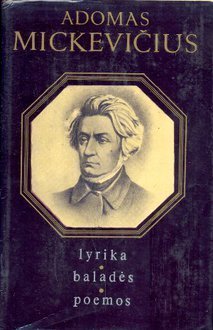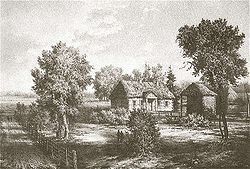
Mickevičius was born in Zavosse near Naugarduko (modern day Belarus; at the time in Lithuania)and died in 1855. November 26. Constantinople, Turkey). A. Mickevičius comes from an old Lithuanian nobility Rimvydai - Mickevičiai tribe that lived in the outskirts of the same ethnographic Lithuania - Rodūnės surroundings, in the seventeenth century. At the end of the XVII century moved to the Naugardukas region in Lithuania. The Mickevičių family like all polonized nobility at the time wrote and spoke Polish, but considered themselves to be Lithuanian nobles. Mickevičius was a poet and a teacher whose works are highly regarded by Lithuanians, Belorussians and the Poles.His most famous works include: „Krymo sonetai“ (1826) „Vėlinės“ (1832) „Ponas Tadas“ (1834) The poet entered the world of literature as combative romantic : hot defended the nation and the right to personal liberty, protest against serfdom, called to fight against the mighty fortress then the reaction - the authority. He cherished the love of his native land and its history. Like others of that time, romantically, saying he was " gente Lithuania, natione Polonia (Lithuanian nationality, Polish citizenship). Historical poem "Gražina," " Conrad Valenrodas " exalted Lithuanians who fought against the Crusaders and their strong will, patriotism . They, like most famous poem "Ponas Tadas" poeticized Lithuanian nature created many vivid lyrical Lithuanian landscape paintings, epic old Lithuanian household, daily life images . Works, especially historical poem, promoted Lithuanian national movement, nation- building, had an impact on Lithuanian literature. From the rally at the monument of Mickevičius in Vilnius Lithuanian resurgence actually began for independence and freedom. A. Mickevicčius invented a feminine name Gražina (from the word 'graži' - meaning beautiful in Lithuanian), the name is widespread in Lithuania and Poland. Another of his invented names is - Živilė - spread in Lithuania .