Margins




548 Market St PMB 65688, San Francisco California 94104-5401 USA
© 2026 Paratext Inc. All rights reserved
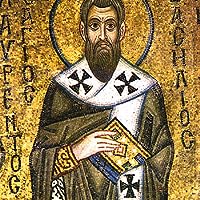
Basil of Caesarea (Arabic: باسيليوس الكبير; Greek: Ἅγιος Βασίλειος ὁ Μέγας), also called Saint Basil the Great, was the bishop of Caesarea Mazaca in Cappadocia, Asia Minor (modern-day Turkey). He was an influential 4th century Christian theologian and monastic. Theologically, Basil was a supporter of the Nicene faction of the church, in opposition to Arianism on one side and the followers of Apollinaris of Laodicea on the other. His ability to balance his theological convictions with his political connections made Basil a powerful advocate for the Nicene position. In addition to his work as a theologian, Basil was known for his care of the poor and underprivileged. Basil established guidelines for monastic life which focus on community life, liturgical prayer, and manual labor. Together with Pachomius he is remembered as a father of communal monasticism in Eastern Christianity. He is considered a saint by the traditions of both Eastern and Western Christianity. Basil, Gregory of Nazianzus, and Gregory of Nyssa are collectively referred to as the Cappadocian Fathers. The Eastern Orthodox Church and Eastern Catholic Churches have given him, together with Gregory of Nazianzus and John Chrysostom, the title of Great Hierarch. He is recognized as a Doctor of the Church in the Roman Catholic Church. He is sometimes referred to by the epithet Ouranophantor (Greek: Οὐρανοφάντωρ), "revealer of heavenly mysteries".
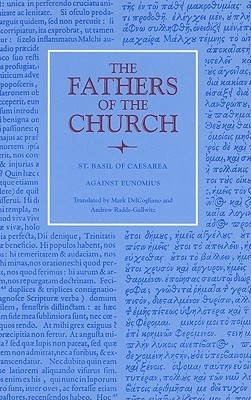
2011
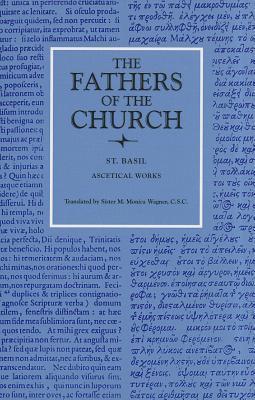
1950
1963
1997
1796
2006

1930

1934
2012
2015
2013
St. Basil the Great
2009
2005
375
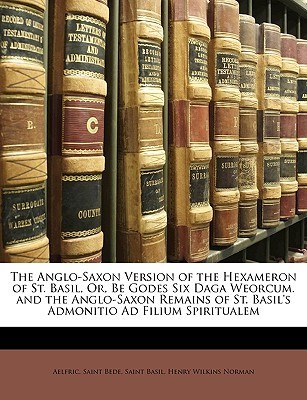
Or Be Godes Six Daga Weorcum, And The Saxon Remains Of St. Basil's Admonitio Ad Filium Spiritualem
2010

1926