Margins
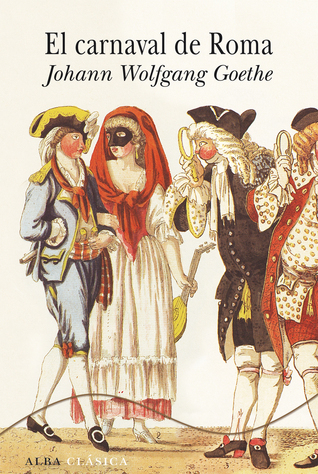
El carnaval de Roma book cover
El carnaval de Roma
1978
First Published
3.46
Average Rating
136
Number of Pages
Las fiestas no son el tema principal de Goethe, pero en el curso de sus viajes forzosamente tuvo que participar en algunas y dejar constancia de sus impresiones. Juan de Sola ha reunido, traducido y prologado en este volumen dos textos contrapuestos pero igualmente reveladores: El carnaval de Roma (1789), acompañado por las veinte ilustraciones en color originales de Georg Melchior Kraus, y La fiesta de san Roque en Bingen (1817). Dos espléndidas crónicas que, en conjunto, ofrecen una sugerente muestra de la literatura de viajes de quien fue llamado «el príncipe de los poetas». Johann Wolfgang Goethe, hijo de una familia de la alta burguesía, nació en Francfort en 1749, y murió en Weimar en 1832, universalmente reconocido y admirado. Entre una fecha y otra no solo se extienden dos grandes revoluciones históricas, sino que la Ilustración, a través del Sturm und Drang y del clasicismo, ha dado paso al Romanticismo, que marcará el rumbo del hombre moderno. Su novela de juventud Las penas del joven Werther (1774; Alba Clásica núm. cxx) causó sensación en toda Europa. En Poesía y Verdad (1811-1830; Alba Clásica Maior núm. iii) dejó testimonio de su juventud. Su obra maestra en dos partes, Fausto (1772-1831), aglutina espléndidamente todas las etapas de su carrera.

Avg Rating
3.46
Number of Ratings
24
5 STARS
13%
4 STARS
29%
3 STARS
50%
2 STARS
8%
1 STARS
0%
goodreads

Author

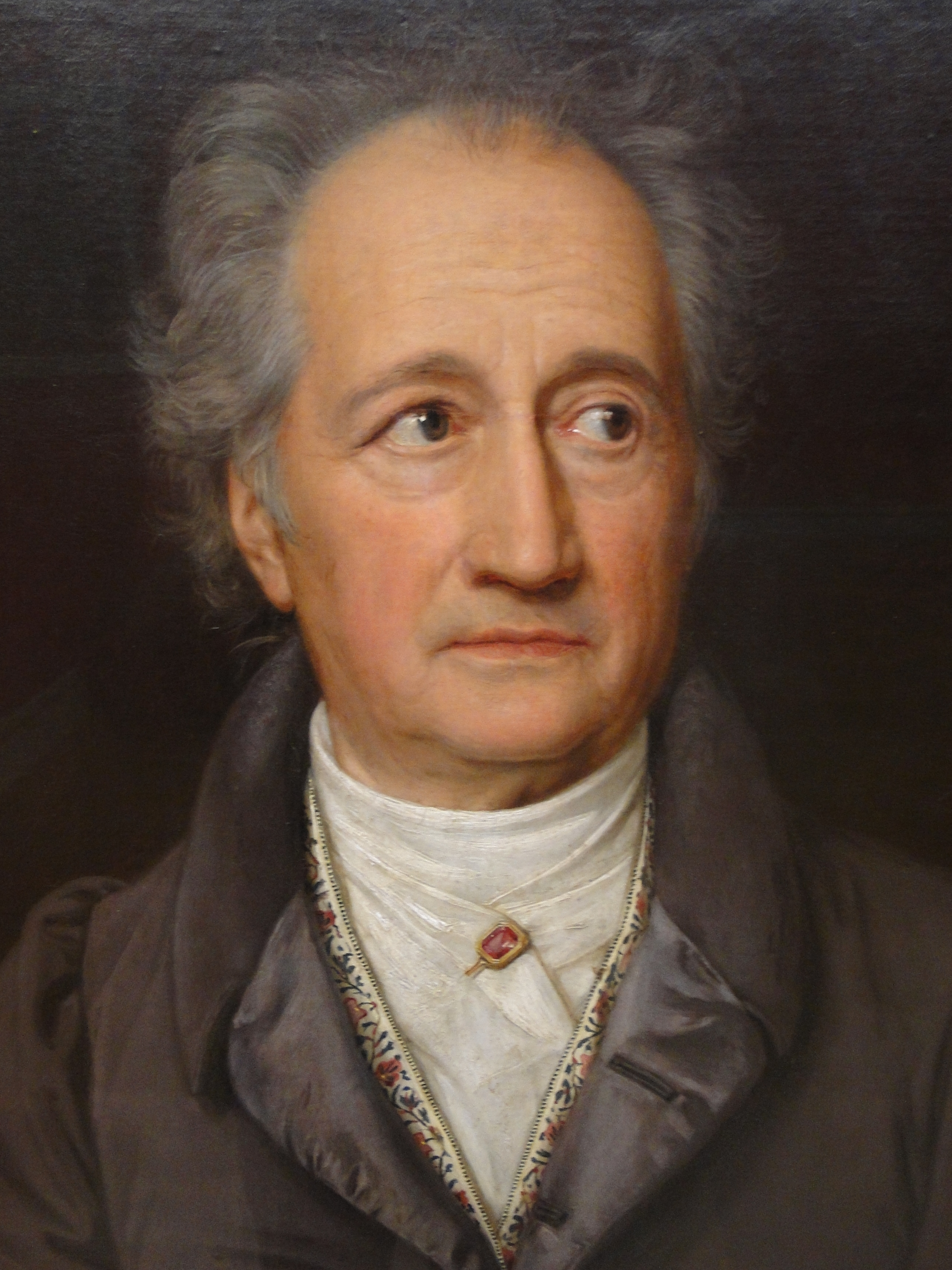
Johann Wolfgang von Goethe
Author · 82 books

A master of poetry, drama, and the novel, German writer and scientist Johann Wolfgang von Goethe spent 50 years on his two-part dramatic poem Faust, published in 1808 and 1832, also conducted scientific research in various fields, notably botany, and held several governmental positions. George Eliot called him "Germany's greatest man of letters... and the last true polymath to walk the earth." Works span the fields of literature, theology, and humanism. People laud this magnum opus as one of the peaks of world literature. Other well-known literary works include his numerous poems, the Bildungsroman Wilhelm Meister's Apprenticeship and the epistolary novel The Sorrows of Young Werther . With this key figure of German literature, the movement of Weimar classicism in the late 18th and early 19th centuries coincided with Enlightenment, sentimentality (Empfindsamkeit), Sturm und Drang, and Romanticism. The author of the scientific text Theory of Colours, he influenced Darwin with his focus on plant morphology. He also long served as the privy councilor ("Geheimrat") of the duchy of Weimar. Goethe took great interest in the literatures of England, France, Italy, classical Greece, Persia, and Arabia and originated the concept of Weltliteratur ("world literature"). Despite his major, virtually immeasurable influence on German philosophy especially on the generation of Georg Wilhelm Friedrich Hegel and Friedrich Wilhelm Joseph von Schelling, he expressly and decidedly refrained from practicing philosophy in the rarefied sense. Influence spread across Europe, and for the next century, his works inspired much music, drama, poetry and philosophy. Many persons consider Goethe the most important writer in the German language and one of the most important thinkers in western culture as well. Early in his career, however, he wondered about painting, perhaps his true vocation; late in his life, he expressed the expectation that people ultimately would remember his work in optics.

548 Market St PMB 65688, San Francisco California 94104-5401 USA
© 2026 Paratext Inc. All rights reserved