Margins




548 Market St PMB 65688, San Francisco California 94104-5401 USA
© 2026 Paratext Inc. All rights reserved
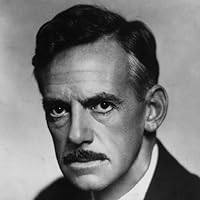
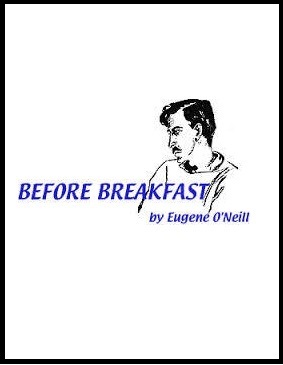
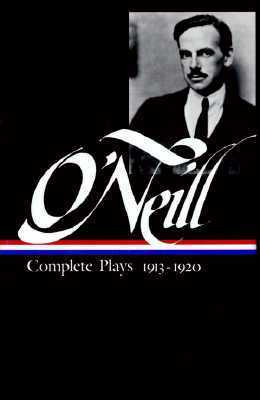
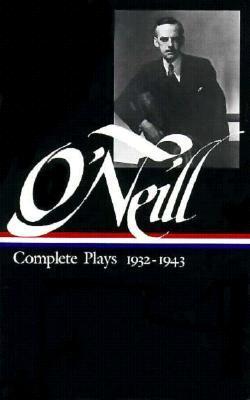
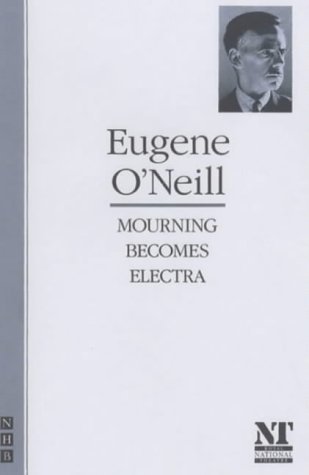
American playwright Eugene Gladstone O'Neill authored Mourning Becomes Electra in 1931 among his works; he won the Nobel Prize of 1936 for literature, and people awarded him his fourth Pulitzer Prize for Long Day's Journey into Night , produced in 1956. He won his Nobel Prize "for the power, honesty and deep-felt emotions of his dramatic works, which embody an original concept of tragedy." More than any other dramatist, O'Neill introduced the dramatic realism that Russian playwright Anton Chekhov, Norwegian playwright Henrik Ibsen, and Swedish playwright August Strindberg pioneered to Americans and first used true American vernacular in his speeches. His plays involve characters, who, engaging in depraved behavior, inhabit the fringes of society, where they struggle to maintain their hopes and aspirations but ultimately slide into disillusionment and despair. O'Neill wrote Ah, Wilderness! , his only comedy: all his other plays involve some degree of tragedy and personal pessimism.
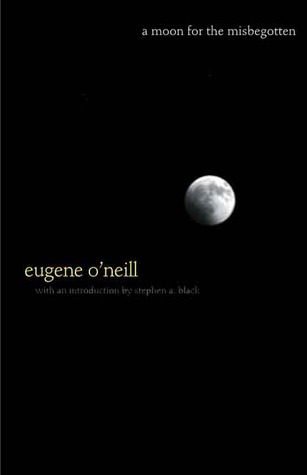
1947
1957

2008
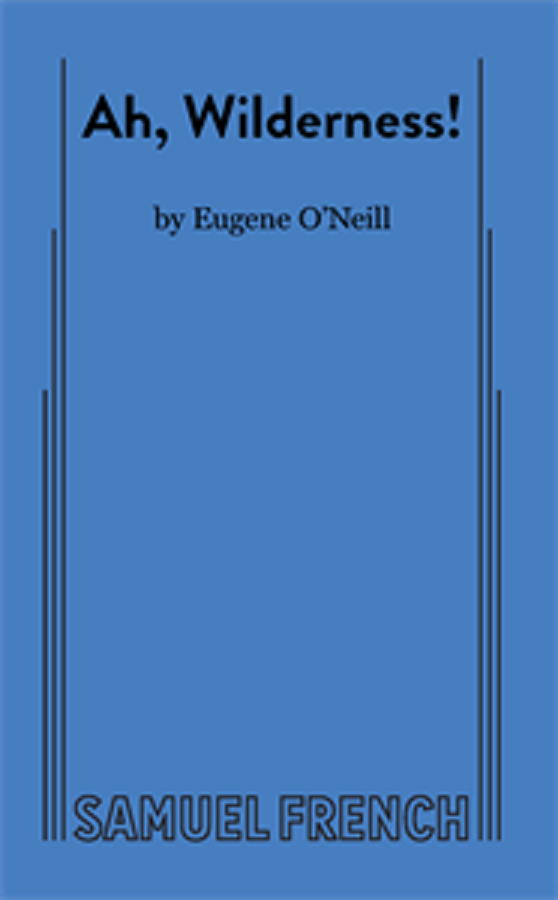
1934
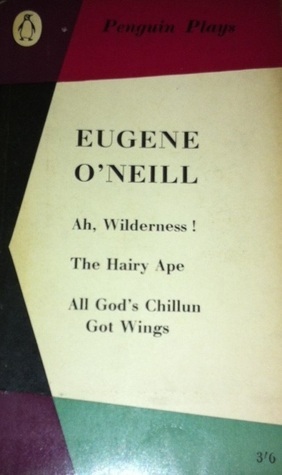
All God's Chillun Got Wings, and Beyond the Horizon
1960
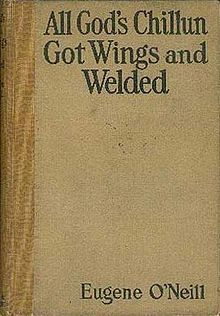
1924
1998
![All God's Chillun Got Wings; [and], Desire Under the Elms; and, Welded book cover](https://images-na.ssl-images-amazon.com/images/S/compressed.photo.goodreads.com/books/1699474946i/129279970.jpg)
1973
1921
1925

1920

1916
2007
1988

1988
1988
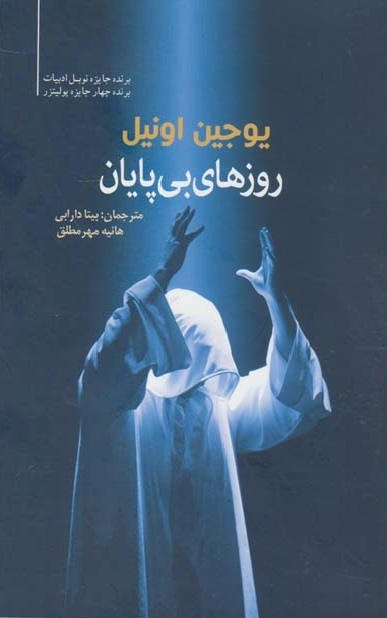
1934
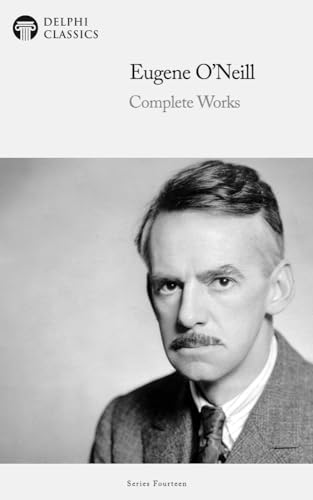
2024
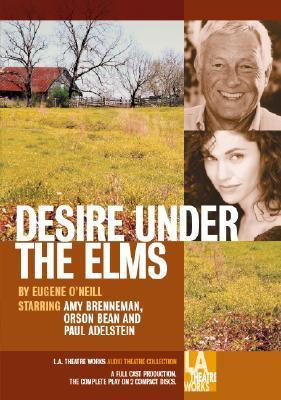
1924
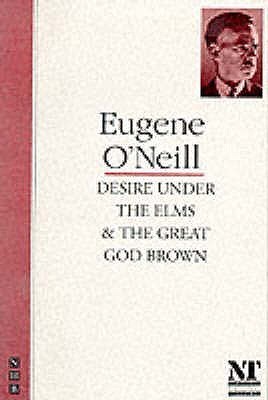
1958

1921
1929
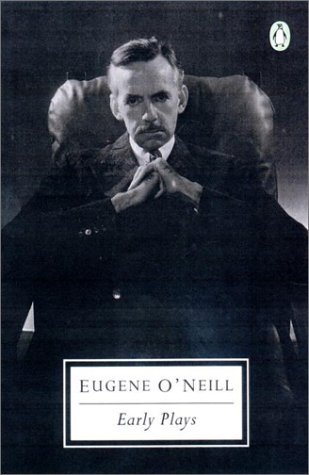
2001
1985
A Play in One Act
2011
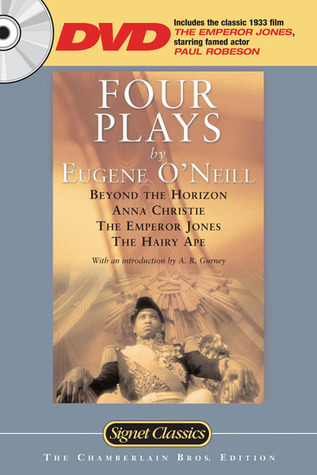
1998

1958
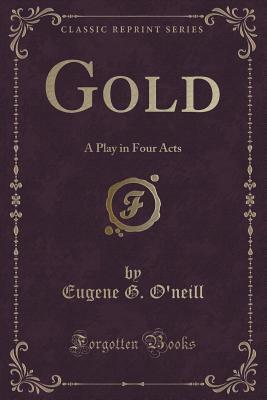
A Play in Four Acts
2015
1958

2006
1917
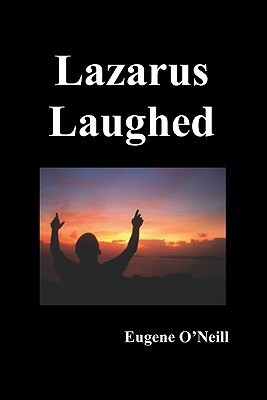
1927
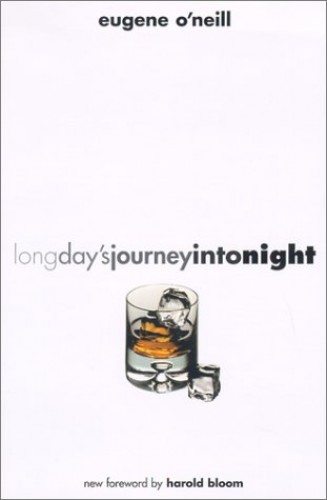
1956
![Lost Plays Eugene O'Neill Drama 1st Edition First Printing Fiction [Hardcover] Eugene O'Neill book cover](https://cdn.margins.app/catalog/work-covers/4714a849-212b-4f95-a445-9087769c7ad7.jpg)
1958
1925
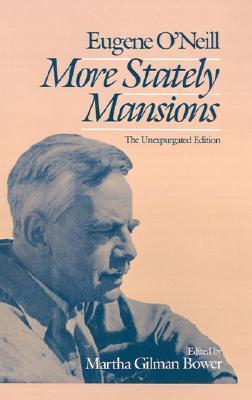
1964
1931
1932
1965
1928
1942

1920
1922

1923

1926
1963

1922
1946
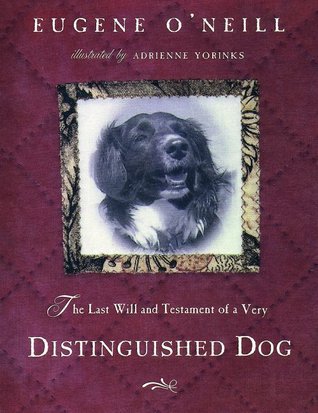
1940
1967