


Margins
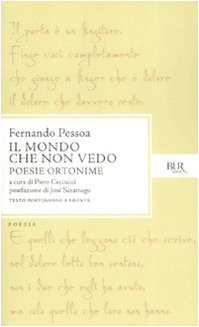
Il mondo che non vedo. Poesie ortonime book cover
Il mondo che non vedo. Poesie ortonime
2009
First Published
4.43
Average Rating
1071
Number of Pages

(Testo portoghese a fronte) La nostalgia, la solitudine, la frantumazione e la moltiplicazione dell'io, la maschera, il mistero, il fascino per l'esoterismo, ma anche sorprendenti testi satirici contro il regime dittatoriale di Salazar e, soprattutto negli ultimi versi, un intenso sentimento religioso. Un viaggio attraverso i pensieri e le parole di un genio assoluto del Novecento. La sua poesia, sempre pervasa da intelligenza, ironia e vitalità, rivela la grandezza di uno straordinario prestigiatore di idee e significati, oltre che della lingua. Creatore di diversi eteronomi, alter ego dall'identità definita e distinta, con una biografia, uno stile, un punto di vista propri, Fernando Pessoa scrisse anche centinaia di componimenti ortonimi, che scelse cioè di firmare con il suo nome. Questa edizione è curata da Piero Ceccucci che, nell'apparato critico, guida alla comprensione della sterminata e complessa produzione di questo enigmatico autore.
Avg Rating
4.43
Number of Ratings
42
5 STARS
52%
4 STARS
38%
3 STARS
10%
2 STARS
0%
1 STARS
0%
goodreads

Author

Fernando Pessoa
Fernando Pessoa
Author · 104 books

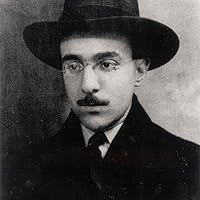
Fernando António Nogueira Pessoa was a poet and writer. It is sometimes said that the four greatest Portuguese poets of modern times are Fernando Pessoa. The statement is possible since Pessoa, whose name means ‘person’ in Portuguese, had three alter egos who wrote in styles completely different from his own. In fact Pessoa wrote under dozens of names, but Alberto Caeiro, Ricardo Reis and Álvaro de Campos were – their creator claimed – full-fledged individuals who wrote things that he himself would never or could never write. He dubbed them ‘heteronyms’ rather than pseudonyms, since they were not false names but “other names”, belonging to distinct literary personalities. Not only were their styles different; they thought differently, they had different religious and political views, different aesthetic sensibilities, different social temperaments. And each produced a large body of poetry. Álvaro de Campos and Ricardo Reis also signed dozens of pages of prose. The critic Harold Bloom referred to him in the book The Western Canon as the most representative poet of the twentieth century, along with Pablo Neruda.

548 Market St PMB 65688, San Francisco California 94104-5401 USA
© 2025 Paratext Inc. All rights reserved