Margins




548 Market St PMB 65688, San Francisco California 94104-5401 USA
© 2026 Paratext Inc. All rights reserved
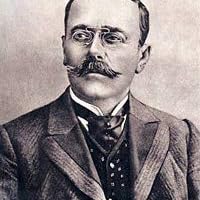
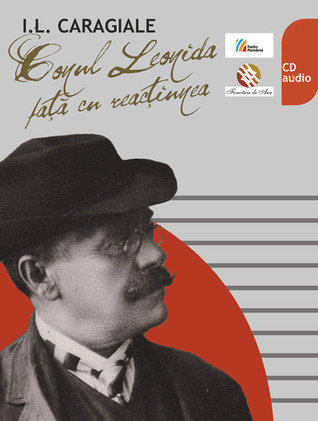
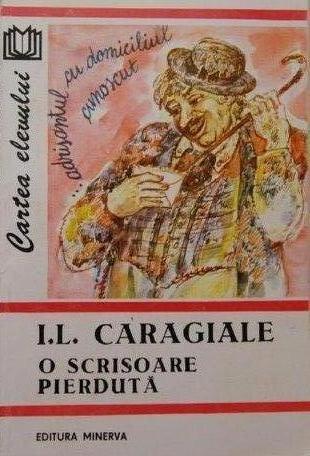
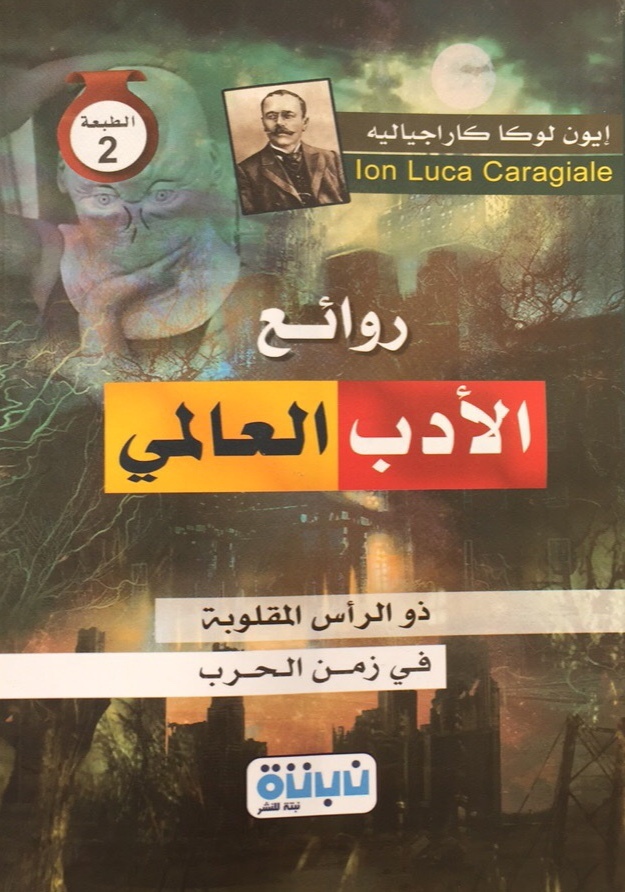
Ion Luca Caragiale was a Wallachian-born Romanian playwright, short story writer, poet, theater manager, political commentator and journalist. Leaving behind an important cultural legacy, he is considered one of the greatest playwrights in Romanian language and literature, as well as one of its most important writers and a leading representative of local humor. Alongside Mihai Eminescu, Ioan Slavici and Ion Creangă, he is seen as one of the main representatives of Junimea, an influential literary society with which he nonetheless parted during the second half of his life. His work, spanning four decades, covers the ground between Neoclassicism, Realism, and Naturalism, building on an original synthesis of foreign and local influences. Although few in number, Caragiale's plays constitute the most accomplished expression of Romanian theater, as well as being important venues for criticism of late 19th century Romanian society. They include the comedies A Stormy Night, Conu Leonida faţă cu reacţiunea, O Scrisoare Pierduta Comedie in patru acte, and the tragedy Năpasta. In addition to these, Caragiale authored the melodrama O soacră, a large number of essays, articles, short stories, novellas and sketch stories, as well as occasional works of poetry and autobiographical texts such as Din carnetul unui vechi sufleur. In many cases, his creations were first published in one of several magazines he edited—Claponul, Moftul Român, Vatra and Epoca. Most of his prose works have been published under the title Momente, schite, povestiri: they include Căldură mare, Cănuţă om sucit, Două loturi, Grand Hotel "Victoria română", as well as several pieces referring to stock characters such as Lache and Mache, Marius Chicoş Rostogan and Mitică. In some of his later fiction writings, including La hanul lui Mânjoală, Kir Ianulea, Abu-Hasan, Pastramă trufanda and Calul dracului, Caragiale adopted the fantasy genre or turned to historical fiction. Ion Luca Caragiale was interested in the politics of the Romanian Kingdom, and oscillated between the liberal current and conservatism. Most of his satirical works target the liberal republicans and the National Liberals, evidencing both his respect for their rivals at Junimea and his connections with the literary critic Titu Maiorescu. He came to clash with National Liberal leaders such as Dimitrie Sturdza and Bogdan Petriceicu Hasdeu, and was a lifelong adversary of the Symbolist poet Alexandru Macedonski. As a result of these conflicts, the most prominent of Caragiale's critics barred his access to the cultural establishment for several decades. During the 1890s, Caragiale rallied with the radical movement of George Panu, before associating with the Conservative Party. After having decided to settle in Berlin, he came to voice strong criticism for Romanian politicians of all colors in the wake of the 1907 Romanian Peasants' Revolt, and ultimately joined the Conservative-Democratic Party. Ion Luca was the nephew of Costache and Iorgu Caragiale, who were major figures of mid-19th-century Romanian theater. His sons Mateiu I. Caragiale and Luca I. Caragiale were both modernist writers.
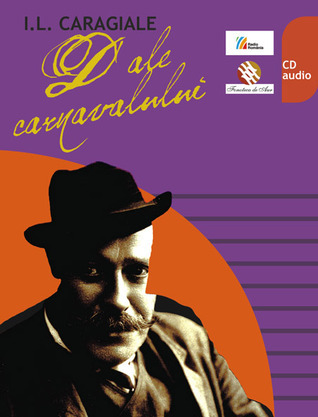
1885
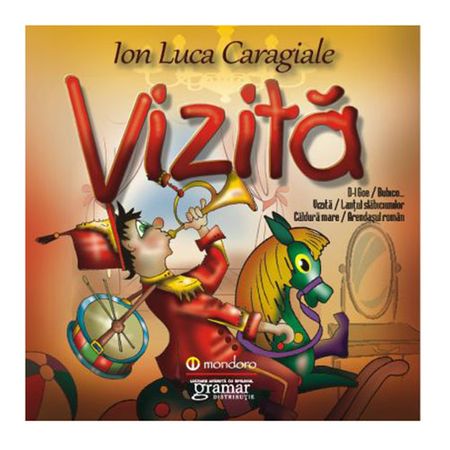
1901
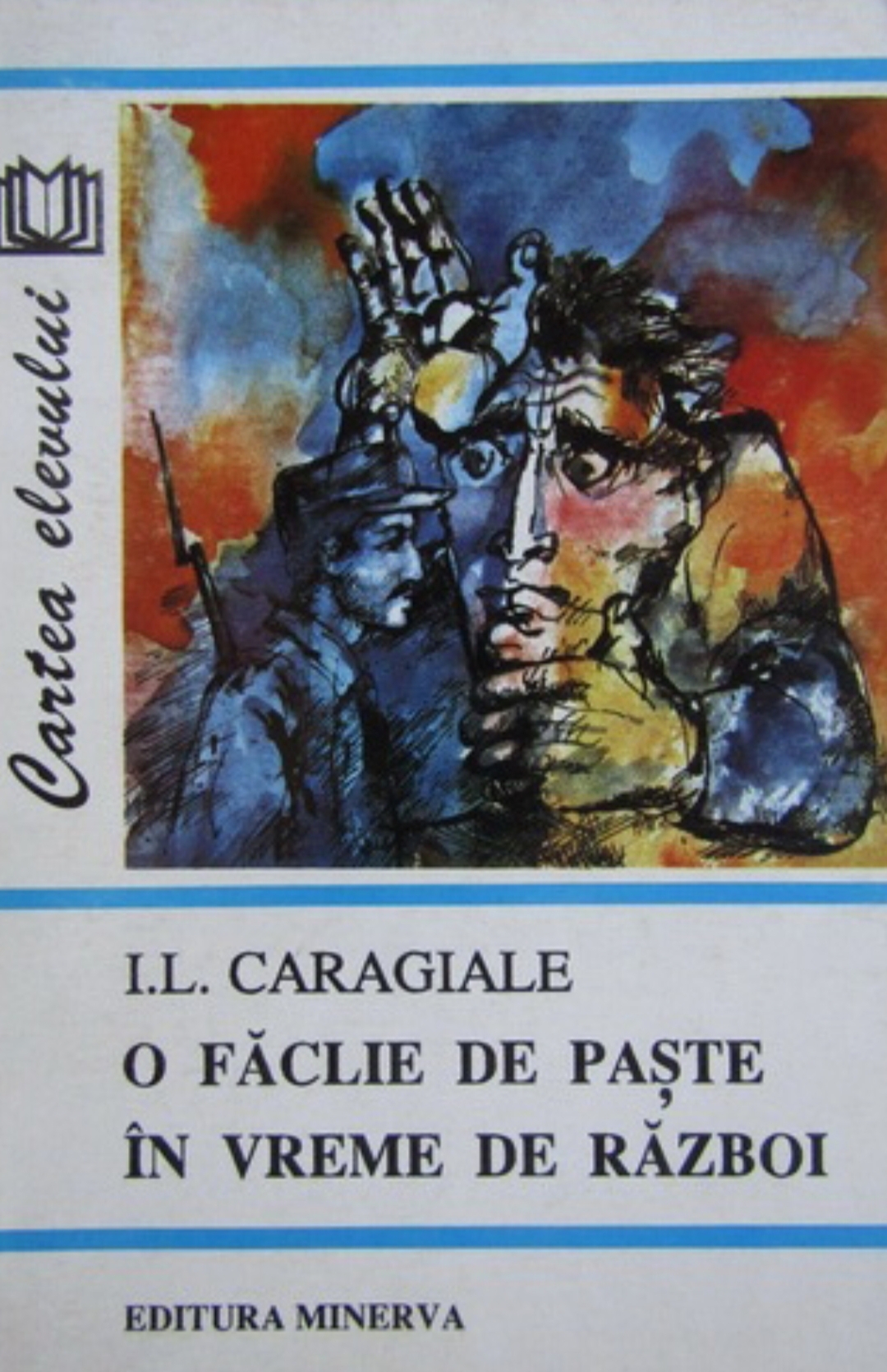
1898

1901
2026

1898

1898
1880
2025
1884
2000

1898
2008

1898
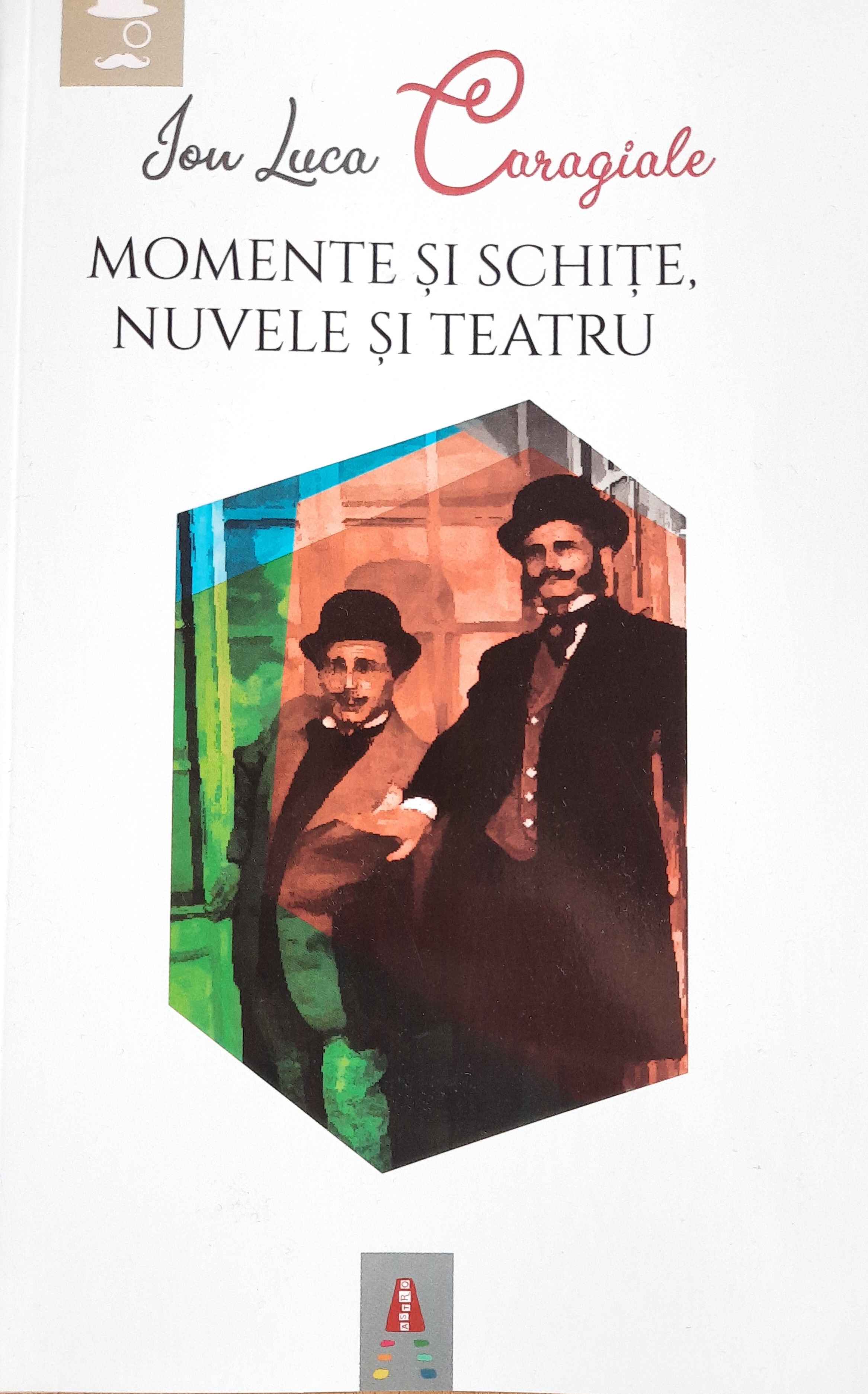
2018
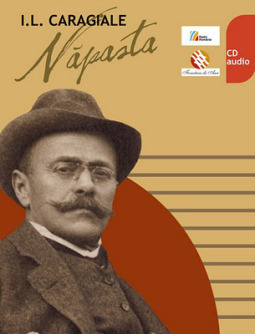
1890

1909
2012
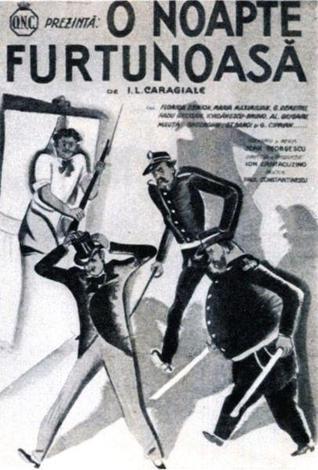
1879
2017
1968

2025
1889

1986
2012