


Margins
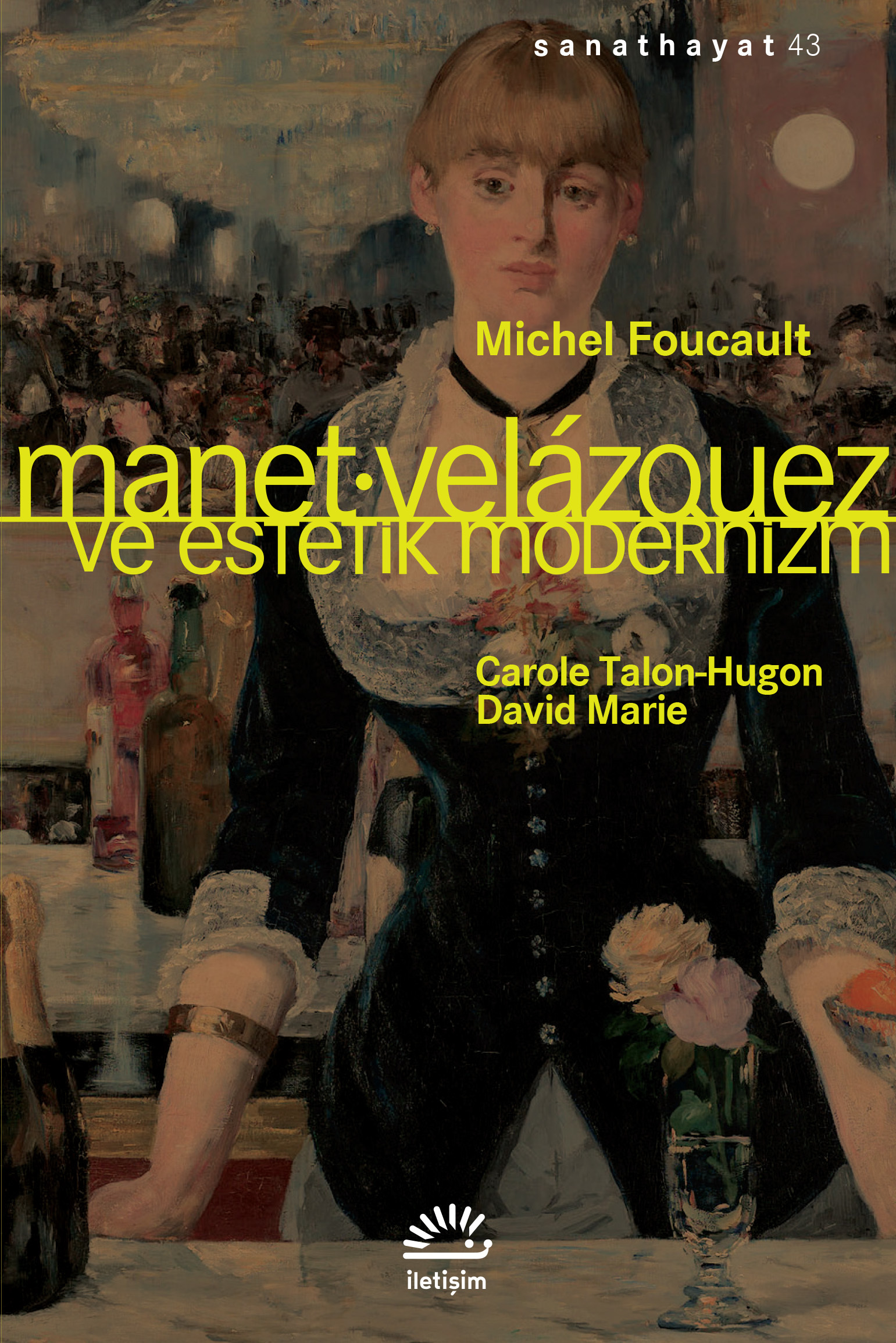
Manet, Velázquez ve Estetik Modernizm book cover
Manet, Velázquez ve Estetik Modernizm
2018
First Published
4.03
Average Rating
123
Number of Pages

Foucault’nun, bu kitapta derlediğimiz Manet ve Velázquez üzerine incelemeleri, estetik düşüncenin köşetaşları olmakla kalmıyor, bu iki ressamın zamanlarındaki dünya görüşünü de aydınlatıyor Foucault’ya göre, estetik modernizmin başladığı “empresyonizm hareketini Manet mümkün kılmıştır”. Aslında, “Manet’nin mümkün kıldığı şey, empresyonizmin de ötesinde, bütün bir 20. yüzyıl resmidir, çağdaş sanatın içinde boy atıp geliştiği resim sanatıdır”. Foucault, Rönesans dönemiyle modern çağ arasındaki bilgi-iktidar rejimlerini incelediği, en temel eseri olan Kelimeler ve Şeyler kitabını da Velázquez’in Las Meninas tablosuyla açar. Foucault’nun, bu kitapta derlediğimiz Manet ve Velázquez üzerine incelemeleri, estetik düşüncenin köşetaşları olmakla kalmıyor, bu iki ressamın zamanlarındaki dünya görüşünü de aydınlatıyor. Carole Talon-Hugon ile David Marie’nin yazıları ise Foucault’nun Manet üzerine metnini yorumlayarak, onun “sanat tarihindeki en derin kopuş” dediği estetik modernizm üzerine düşüncelerini açımlıyor.
Avg Rating
4.03
Number of Ratings
35
5 STARS
31%
4 STARS
43%
3 STARS
23%
2 STARS
3%
1 STARS
0%
goodreads

Author

Michel Foucault
Michel Foucault
Author · 93 books

Michel Foucault was a French philosopher, social theorist and historian of ideas. He held a chair at the Collège de France with the title "History of Systems of Thought," but before he was Professor at University of Tunis, Tunisia, and then Professor at University Paris VIII. He lectured at several different Universities over the world as at the University at Buffalo, the University of California, Berkeley and University of São Paulo, University of Rio de Janeiro, Brazil. Foucault is best known for his critical studies of social institutions, most notably psychiatry, medicine, the human sciences and the prison system, as well as for his work on the history of human sexuality. His writings on power, knowledge, and discourse have been widely influential in academic circles. In the 1960s Foucault was associated with structuralism, a movement from which he distanced himself. Foucault also rejected the poststructuralist and postmodernist labels later attributed to him, preferring to classify his thought as a critical history of modernity rooted in Immanuel Kant. Foucault's project was particularly influenced by Nietzsche, his "genealogy of knowledge" being a direct allusion to Nietzsche's "genealogy of morality". In a late interview he definitively stated: "I am a Nietzschean." Foucault was listed as the most cited scholar in the humanities in 2007 by the ISI Web of Science.

548 Market St PMB 65688, San Francisco California 94104-5401 USA
© 2026 Paratext Inc. All rights reserved