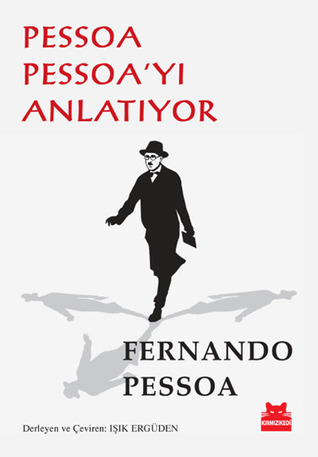
Fernando Pessoa geride bıraktığımız yüzyılın kısacık bir zaman dilimine sayısı tam saptanamayan yazar kişiliklerini ve şiirden öyküye, tiyatro oyunundan düşünce metnine dek binlerce sayfalık eseri sığdırmış, edebiyat tarihinin en özgün şahsiyetlerinden biridir. Pessoa'nın olaysız diye nitelediği ve neredeyse okuma yazma öğrendiği andan ölümüne dek tuttuğu günlüklerle, sayısız not ve elyazmasıyla bir sanat eserine dönüştürdüğü bu yaşamöyküsü, derin ruhsal çalkantılarla dolu, sanatın, edebiyatın ve düşüncenin her alanına müdahaleleriyle şekillenmiş, başlı başına bir yaratı olmayı amaçlamış bir yaşamın anlatısıdır. Yazarın günlüklerinden, notlarından ve mektuplarından oluşa n, hayali ve gerçek kişilikleriyle kurguladığı metin parçacıklarından oluşan bu derleme, Pessoa evreninin kapısını açarken dönemleriyle, kişiliği ve kişilikleriyle, dünyasıyla tanışmamızı sağlıyor.
Author

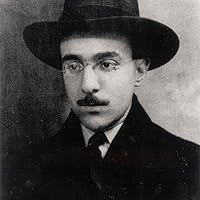
Fernando António Nogueira Pessoa was a poet and writer. It is sometimes said that the four greatest Portuguese poets of modern times are Fernando Pessoa. The statement is possible since Pessoa, whose name means ‘person’ in Portuguese, had three alter egos who wrote in styles completely different from his own. In fact Pessoa wrote under dozens of names, but Alberto Caeiro, Ricardo Reis and Álvaro de Campos were – their creator claimed – full-fledged individuals who wrote things that he himself would never or could never write. He dubbed them ‘heteronyms’ rather than pseudonyms, since they were not false names but “other names”, belonging to distinct literary personalities. Not only were their styles different; they thought differently, they had different religious and political views, different aesthetic sensibilities, different social temperaments. And each produced a large body of poetry. Álvaro de Campos and Ricardo Reis also signed dozens of pages of prose. The critic Harold Bloom referred to him in the book The Western Canon as the most representative poet of the twentieth century, along with Pablo Neruda.