Margins




548 Market St PMB 65688, San Francisco California 94104-5401 USA
© 2026 Paratext Inc. All rights reserved
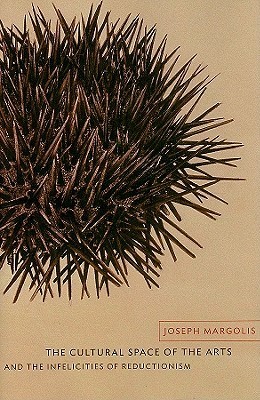
Joseph Margolis, known for his considerable contributions to the philosophy of art and aesthetics, pragmatism, and American philosophy, has focused primarily on the troublesome concepts of culture, history, language, agency, art, interpretation, and the human person or self. For Margolis, the signal problem has always been the how can we distinguish between physical nature and human culture? How do these realms relate? The Cultural Space of the Arts and the Infelicities of Reductionism identifies a conceptual tendency that can be drawn from the work of the twentieth century's best-known analytic philosophers of Arthur Danto, Richard Wollheim, Kendall Walton, Nelson Goodman, Monroe Beardsley, Noël Carroll, and Jerrold Levinson, among others. This trend threatens to impoverish our grasp and appreciation of the arts by failing to do justice to the culturally informed nature of the arts themselves. Through his analysis, Margolis sets out to retrieve an adequate picture of the essential differences between physical nature and human culture—particularly through language, history, meaning, significance, the emergence of the human self or person, and the essential features of human life—all to explain how such difference bears on our perception of paintings and literature. Clearly argued and provocatively engaging, Margolis' work reestablishes what is essential to a productive encounter with art.