Margins
Why It's OK: The Ethics and Aesthetics of How We Live book cover 1
Why It's OK: The Ethics and Aesthetics of How We Live book cover 2
Why It's OK: The Ethics and Aesthetics of How We Live book cover 3
Why It's OK: The Ethics and Aesthetics of How We Live
Series · 15
books · 2020-2025

Books in series

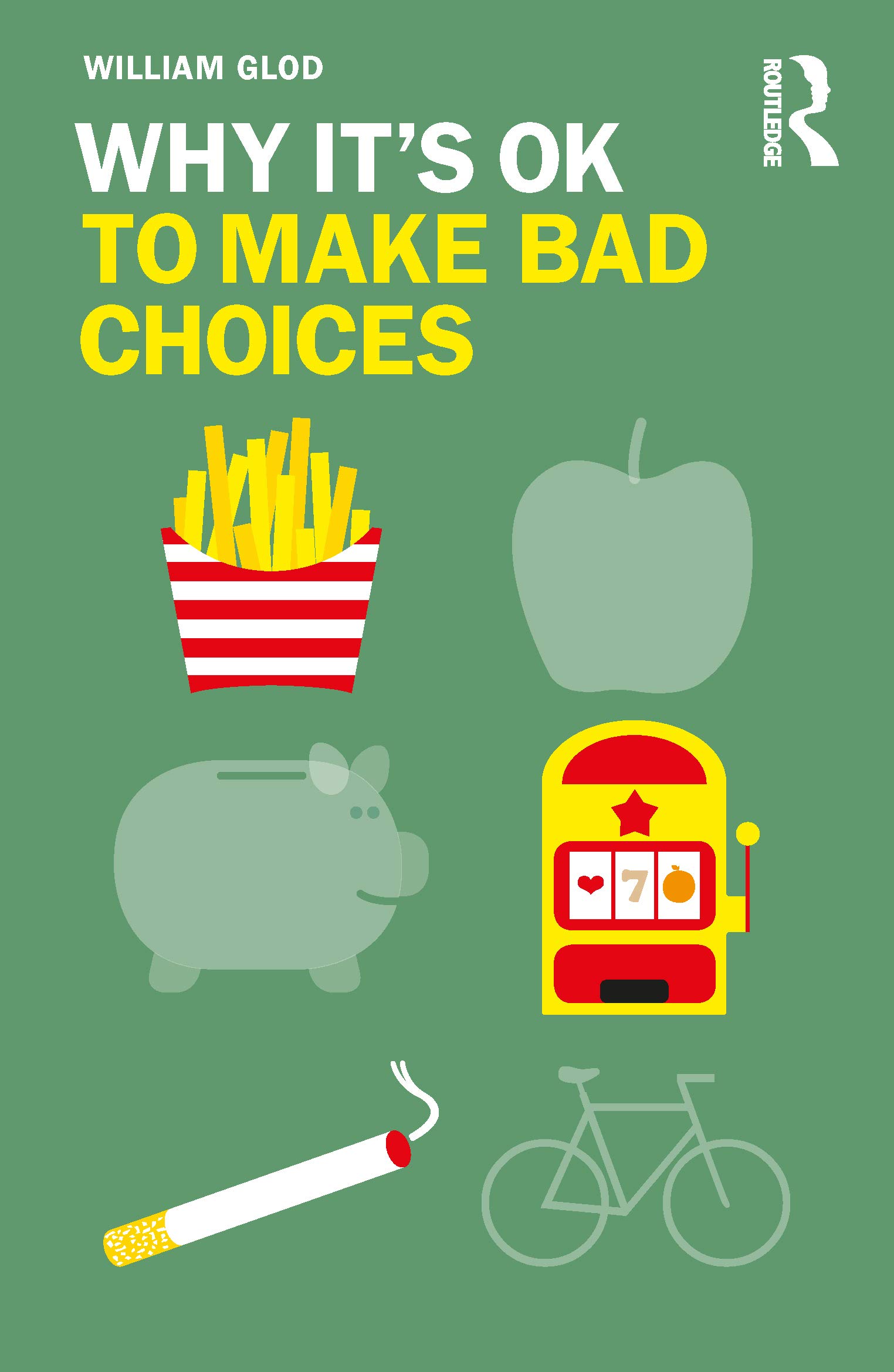
Why It's OK to Make Bad Choices book cover
#1

Why It's OK to Make Bad Choices

2020

If we are kind people, we care about others, including others who tend to hurt themselves. We all have friends or family members who have potential but squander or even ruin their lives from things like drug abuse, unwise spending decisions, or poor dietary habits. Concern for others often motivates us to endorse laws or private interventions meant to keep people from harming themselves even if that’s what they want to do in the moment. However, it is far from clear that such paternalistic measures are, on net, benign, and they tend to violate an understanding that we should let adults make their own decisions. In this little book, William Glod argues that it’s OK to allow people to make bad choices. It’s OK even if those choices risk causing a lot of harm. Most defenders of paternalism agree that some bad choices are not harmful enough to require laws to stop them. However, Glod goes further. He argues that some people might want – and deserve – the freedom to make truly bad choices because such freedom is the only way they can act responsibly. He also argues that some "bad" choices may not even be bad, even if we can't know with confidence a person's true desires. In addition, the book explores choices that are bad because they might impose high monetary costs on others, arguing that mandatory insurance may be a better solution than eliminating the choice. Finally, it explores the potential pitfalls of paternalistic laws and policies – and how unintended, costly consequences can sabotage the most well-intended plans. Key Features
Why It's OK to Be of Two Minds book cover
#4

Why It's OK to Be of Two Minds

2020

Most of us experience the world through competing perspectives. A job or a religion seems important and fulfilling when looked at in one way, but from a different angle they seem tedious or ridiculous. A friend is obtuse from one point of view, wise from another. Continuing to hold both views at once can be unsettling, highlighting conflicts between our own judgments and values and undermining our ability to live purposefully and effectively. Yet, as Jennifer Church argues in this book, inner conflict can be a good thing, and not just as a temporary road bump on the road to resolution. This book describes several desirable types of “double consciousness” – or being of two minds – and explains why and how they should be maintained. Church looks critically at some common ideas about identity, including a popular belief about narratives that suggests our lives should “make sense” as a story. She also examines how empathy can helpfully cause us to be of two minds, and how various forms of irony and laughter enable us to benefit from holding onto opposing views. Finally, Church shows the merit of acknowledging reality while sometimes being guided by fantasy. Why It’s OK to Be of Two Minds is for anyone who’s held two opposing views simultaneously, which is to say it’s for everyone. Key Features • Argues against a long-standing philosophical that it is important to resolve inner conflicts that result from competing systems of beliefs. • Examines the role of empathy and friendship in maintaining a valuable form of double consciousness. • Considers how irony and laughter allow us to dedicate ourselves to our particular projects while acknowledging their ultimate insignificance. • Shows how fantasies that conflict with our beliefs can make a positive contribution to the way we live our lives.
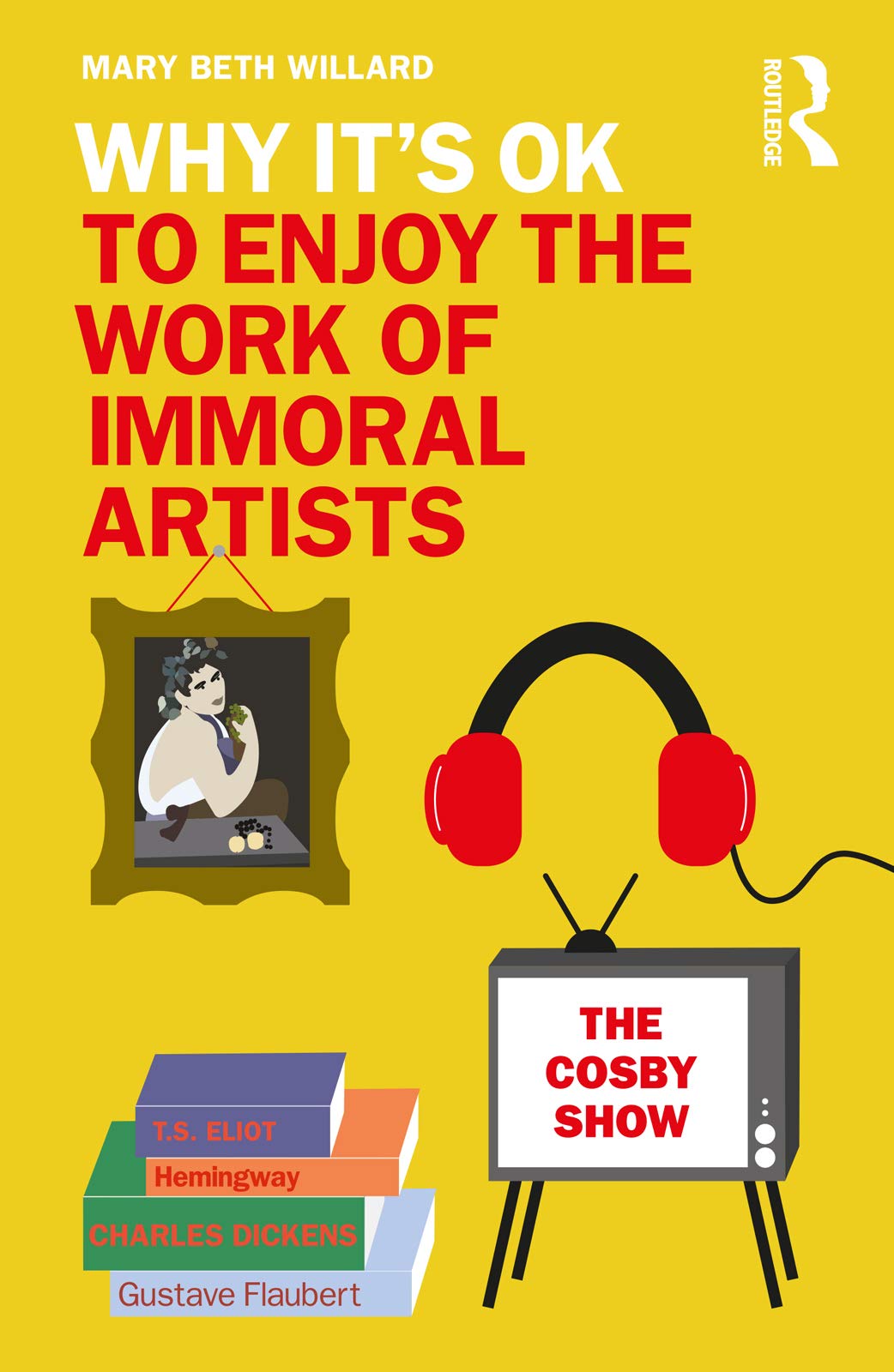
Why It's OK to Enjoy the Work of Immoral Artists book cover
#5

Why It's OK to Enjoy the Work of Immoral Artists

2021

The #metoo movement has forced many fans to consider what they should do when they learn that a beloved artist has acted immorally. One natural thought is that fans ought to give up the artworks of immoral artists. In Why It’s OK to Enjoy the Work of Immoral Artists, Mary Beth Willard argues for a more nuanced view. Enjoying art is part of a well-lived life, so we need good reasons to give it up. And it turns out good reasons are hard to find. Willard shows that it’s reasonable to believe that most boycotts of artists won’t succeed, so most of the time there’s no ethical reason to join in. Someone who manages to separate the art from the artist isn’t making an ethical mistake by buying and enjoying their art. She then considers the ethical dimensions of canceling artists and the so-called "cancel culture," arguing that canceling is ethically risky because it encourages moral grandstanding. Willard concludes by arguing that the popular debate has overlooked the power of art to change our lives for the good. It’s of course OK to decide to give up the artwork of immoral artists, but – as Willard shows in this provocative little volume – it’s OK to continue to enjoy their art as well. Key Features Offers accessible discussions of complicated philosophical topics like aesthetic value, collective action problems, and epistemic justice Provides a unique perspective and underexplored argument on the popular issue of cancellation Explores the role of aesthetic value in our lives, including its relation to our ethical decisions and our well being
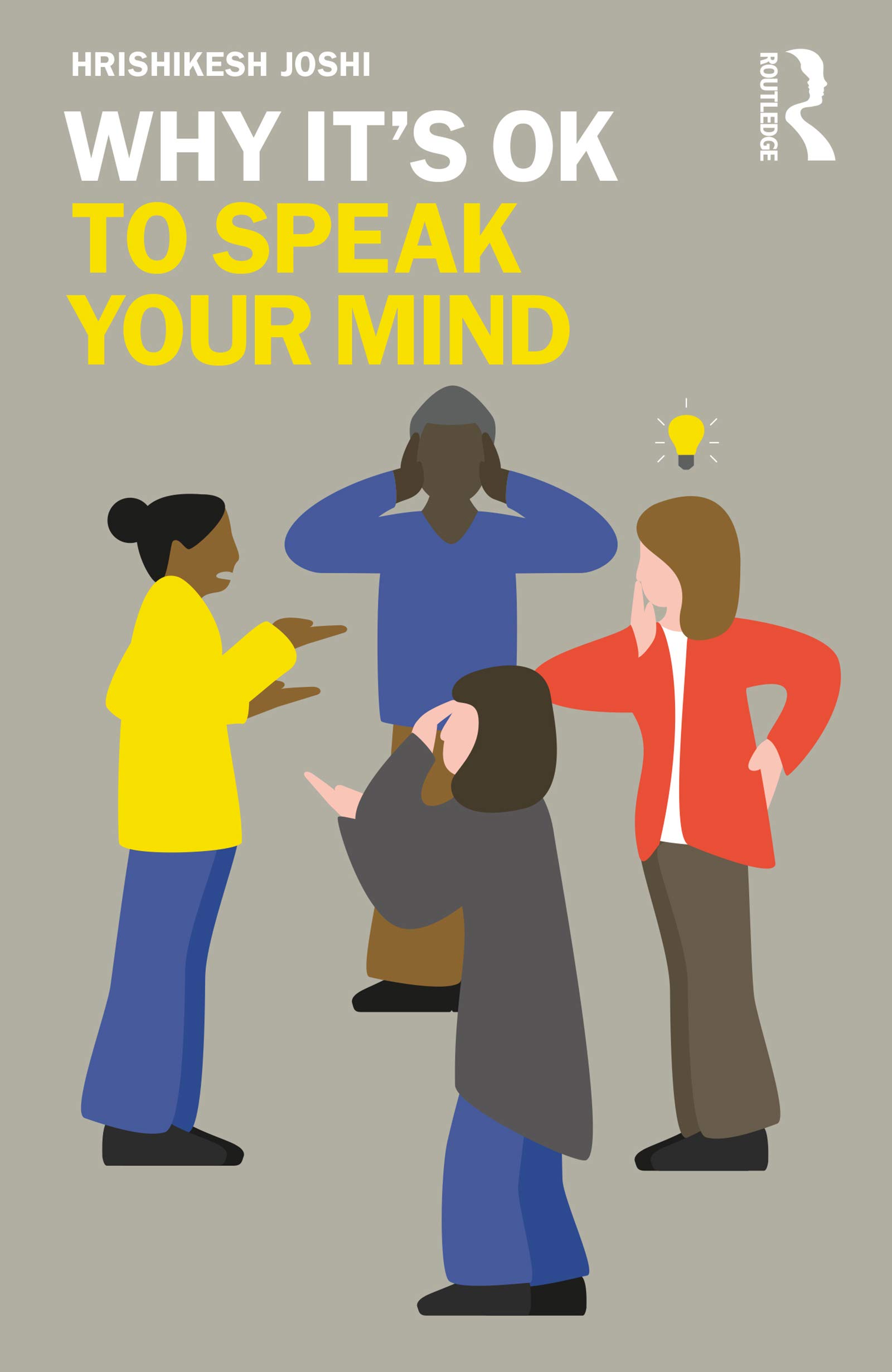
Why It's OK to Speak Your Mind book cover
#6

Why It's OK to Speak Your Mind

2021

Political protests, debates on college campuses, and social media tirades make it seem like everyone is speaking their minds today. Surveys, however, reveal that many people increasingly feel like they’re walking on eggshells when communicating in public. Speaking your mind can risk relationships and professional opportunities. It can alienate friends and anger colleagues. Isn’t it smarter to just put your head down and keep quiet about controversial topics? In this book, Hrishikesh Joshi offers a novel defense of speaking your mind. He explains that because we are social creatures, we never truly think alone. What we know depends on what our community knows. And by bringing our unique perspectives to bear upon public discourse, we enhance our collective ability to reach the truth on a variety of important matters. Speaking your mind is also important for your own sake. It is essential for developing your own thinking. And it’s a core aspect of being intellectually courageous and independent. Joshi argues that such independence is a crucial part of a well-lived life. The book draws from Aristotle, John Stuart Mill, Friedrich Nietzsche, Bertrand Russell, and a range of contemporary thinkers to argue that it’s OK to speak your mind. Key Features Shows that we have not just a right but a moral duty to publicly share what we know. Argues that discussing your unique ideas with others is essential for developing as a critical thinker. Explores the value of intellectual honesty and independence in the writings of John Stuart Mill and Friedrich Nietzsche and connects their thinking to contemporary problems. Argues that avoiding cultural blind spots today is important for the fate of future generations.
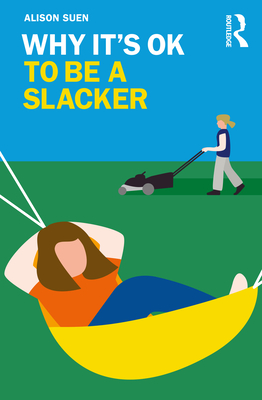
Why It's OK to Be a Slacker book cover
#7

Why It's OK to Be a Slacker

2021

"Stop slacking off!" Your parents may have said this to you when you were deep into a video-gaming marathon. Or maybe your roommate said it to you when you were lounging on the couch scrolling through Instagram. You may have even said it to yourself on days you did nothing. But what is so bad about slacking? Could it be that there’s nothing bad about not making yourself useful? Against our hyper-productivity culture, Alison Suen critically interrogates our disapproval of slackers―individuals who do the bare minimum just to get by. She offers a taxonomy of slackers, analyzes common objections to slacking, and argues that each of these objections either fails or carries problematic assumptions. But while this book defends slacking, it does not promote the slacker lifestyle as the key to something better (such as cultural advancement and self-actualization), as some pro-leisure scholars have argued. In fact, Suen argues that slacking is unique precisely because it serves no noble cause. Slacking is neither a deliberate protest to social ills nor is it a path to autonomy. Slackers just slack. By examining the culture of hyper-productivity, Suen argues that it is in fact OK to be a slacker. Key Features
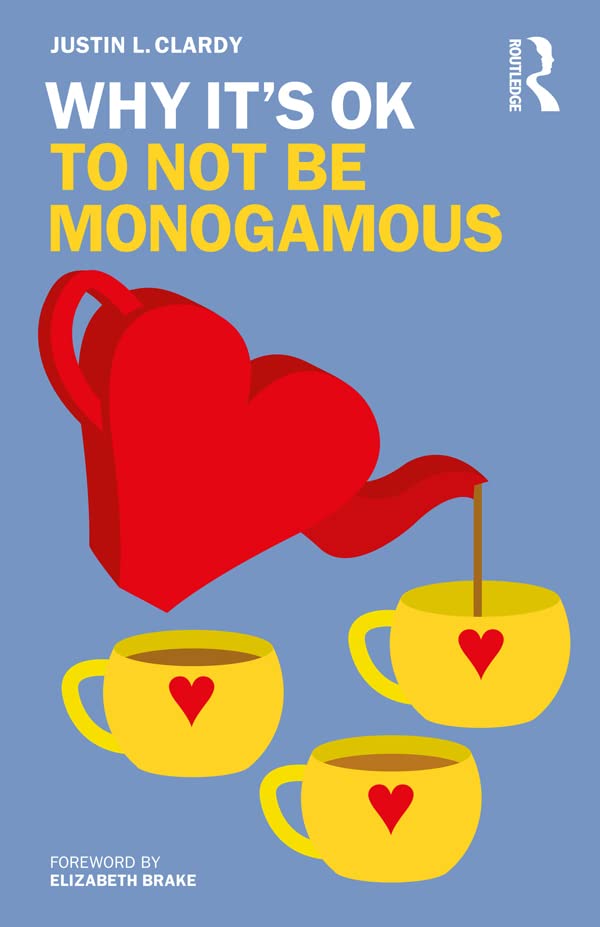
Why It's OK to Not Be Monogamous book cover
#10

Why It's OK to Not Be Monogamous

2023

The downsides of monogamy are felt by most people engaged in long-term relationships, including restrictions on self-discovery, limits on friendship, sexual boredom, and a circumscribed understanding of intimacy. Yet, a "happily ever after" monogamy is assumed to be the ideal form of romantic love in many modern a relationship that is morally ideal and will bring the most happiness to its two partners. In Why It’s OK to Not Be Monogamous, Justin L. Clardy deeply questions these assumptions. He rejects the claim that non-monogamy among honest, informed and consenting adults is morally impermissible. He shows instead how polyamorous relationships can actually be exemplars of moral virtue. The book discusses how social and political forces sustain and reward monogamous relationships. The book defines non-monogamy as a privative concept; a negation of monogamy. Looking at its prevalence in the United States, the book explains how common criticisms of non-monogamy come up short. Clardy argues, as some researchers have recently shown—monogamy relies on continually demonizing non-monogamy to sustain its moral status. Finally, the book concludes with a focus on equality, asking what justice for polyamorous individuals might look like.
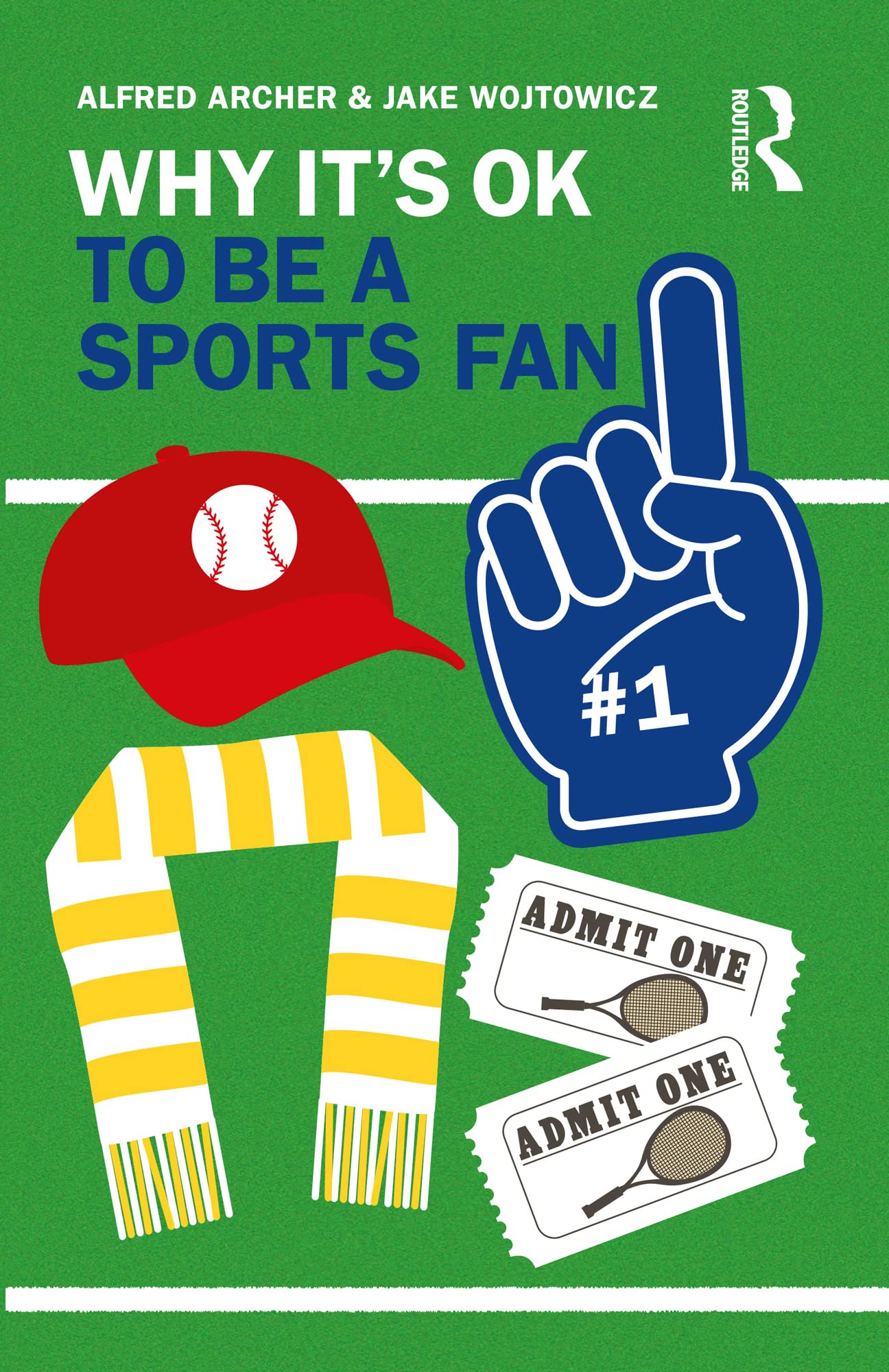
Why It's OK to Be a Sports Fan book cover
#11

Why It's OK to Be a Sports Fan

2023

This book offers readers a pitch-side view of the ethics of fandom. Its accessible six chapters are aimed both at true sports fans whose conscience may be occasionally piqued by their pastime, and at those who are more certain of the moral hazards involved in following a team or sport. Why It’s OK to Be a Sports Fan wrestles with a range of arguments against fandom and counters with its own arguments on why being a fan is very often a good thing. It looks at the ethical issues fans face, from the violent or racist behavior of those in the stands, to players’ infamous misdeeds, to owners debasing their own clubs. In response to these moral risks, the book argues that by being critical fans, followers of a team or individual can reap the benefits of fandom while avoiding many of the ethical pitfalls. The authors show the value in deeply loving a team but also how a condition of this value is recognizing that the love of a fan comes with real limits and responsibilities. Key Features Provides an accessible introduction to a key area of the philosophy of sport Closely looks at some of the salient ethical concerns around sports fandom Proposes that the value of community in partisan fandom should not be underestimated as a key feature of the good life Examines how the same emotions and environments that can lead to violence are identical to those that lead to virtuous loyalty Argues for a fan’s responsibility in calling out violence or racist behavior from their fellow fans
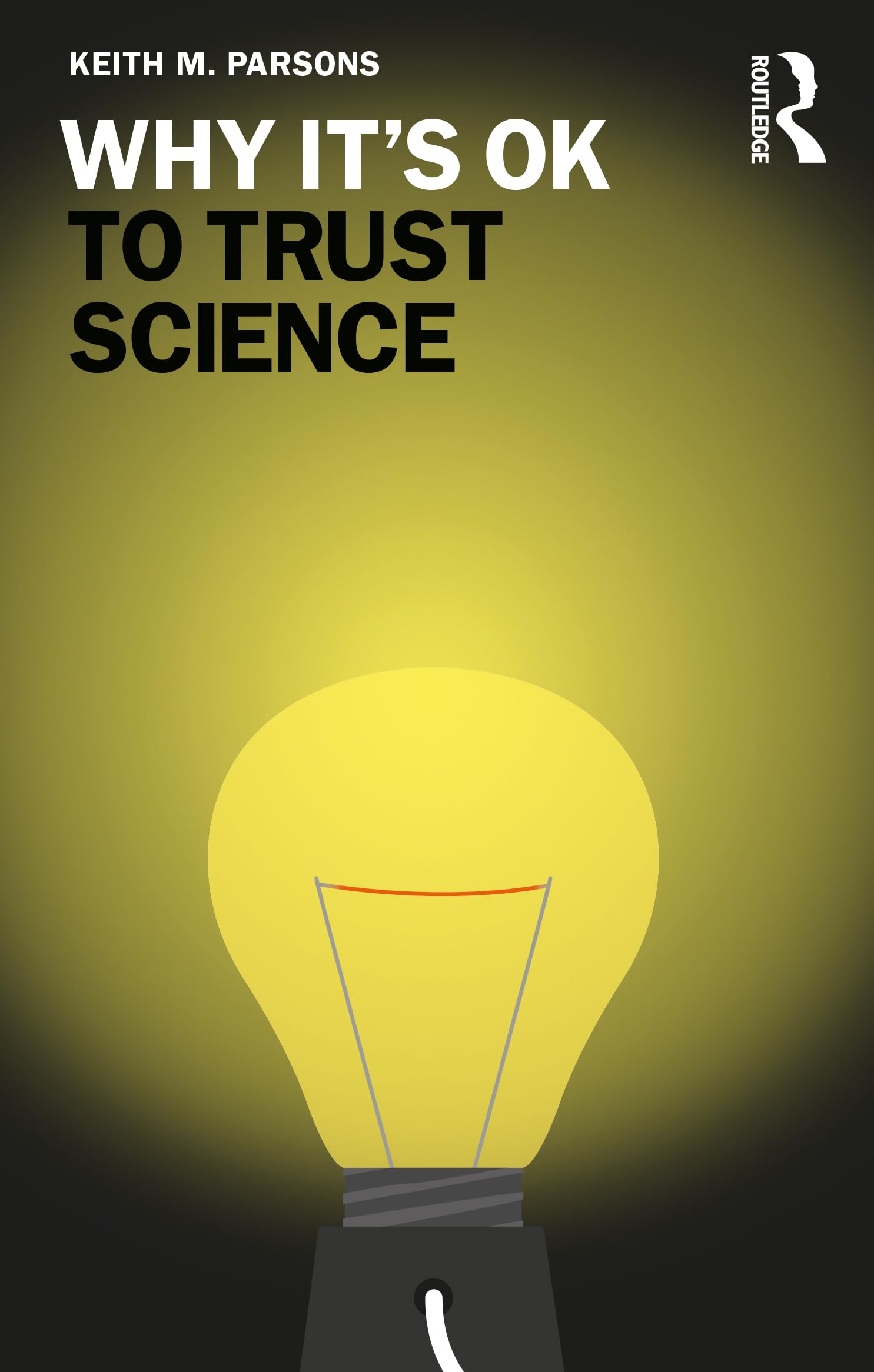
Why It's OK to Trust Science book cover
#12

Why It's OK to Trust Science

2023

Why trust science? Why should science have more authority than "other ways of knowing?" Is science merely a social construct? Or even a tool of oppression? This book boldly takes on these and other explosive questions―lodged by ideologues on the left and the right―and offers readers a well researched defense of science and a polemic addressed to its detractors. Why It’s OK to Trust Science critically examines the recent history of critiques of science, including those in academia from scholars like Bruno Latour, Simon Schaffer, and Thomas Kuhn. It then presents case studies drawn from recent advances in the field of dinosaur paleontology, showing how science generates objective knowledge, even during revolutionary episodes. The book next looks at how that same objective knowledge can be gained even when researching extremely complex issues, using climate science to distinguish between genuine skepticism –upon which science depends–from dogmatic denial. The book is for anyone who needs thoughtful, razor sharp responses to the detractors of science―whether they be anti-vaxxers, climate change deniers, profit-seeking businessmen, or published relativists in the knowledge-making industries. Key
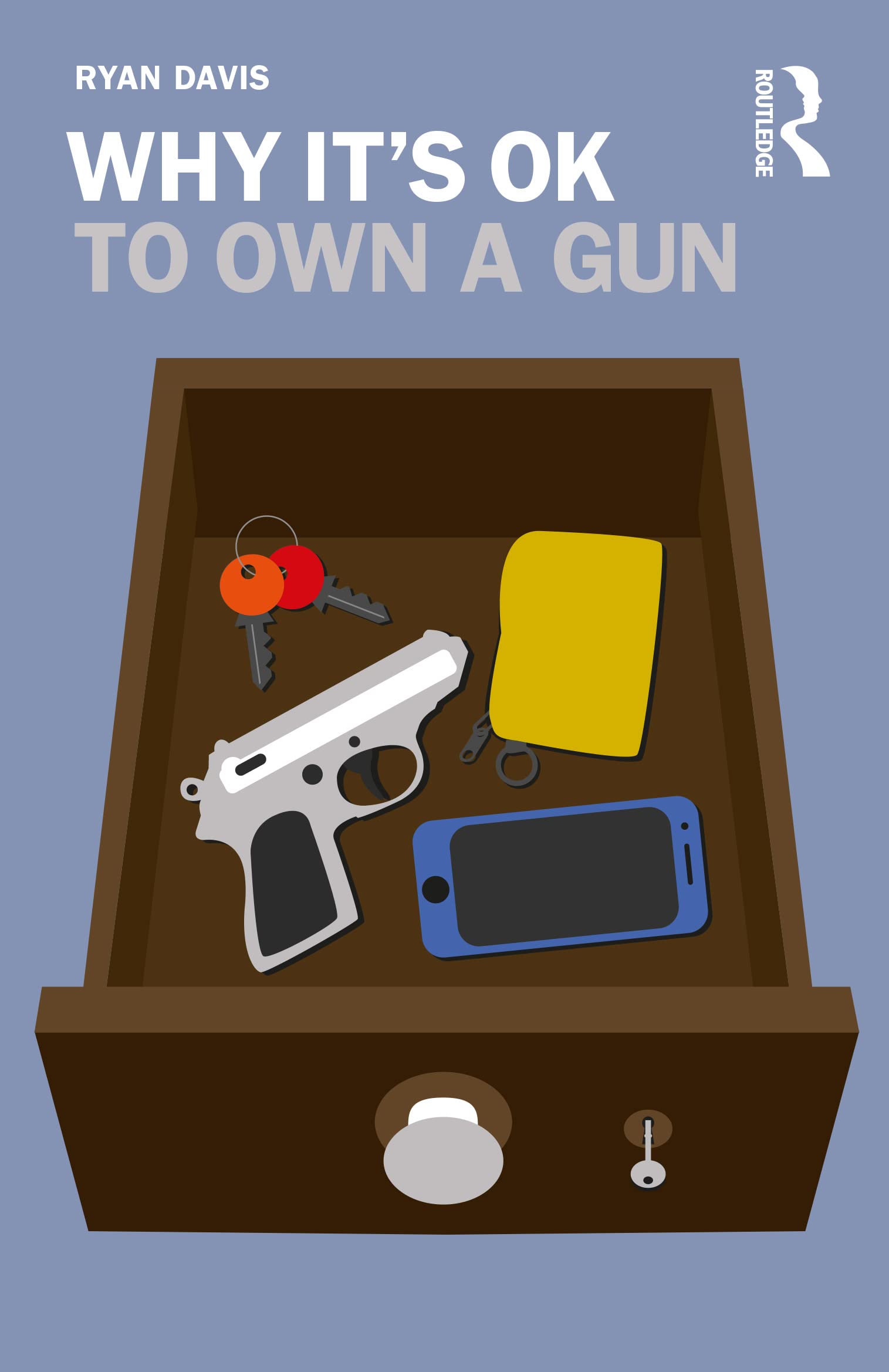
Why It's OK to Own a Gun book cover
#13

Why It's OK to Own a Gun

2023

Why It’s OK to Own a Gun explores the right to self-defense, but also looks beyond it to what gun ownership fundamentally means in American life. Guns can provide a source of meaning that doesn’t depend on how much money you have or how important your job is. Guns can offer a sense of shared identity that’s not hung up on intellectual credentials or ideological orthodoxy. For many responsible gun owners, owning a gun is a way of positively reclaiming one’s own agency in the world. It’s true that guns matter to only a minority of Americans, but the same could be said for many important political liberties. Like freedom of religion and freedom of expression, guns should be on the list of basic rights. In fact, they as some in America’s founding generation anticipated, gun rights have offered a bulwark for republican freedom. Because there is nothing morally wrong with any of these values, owning a gun is OK. Key
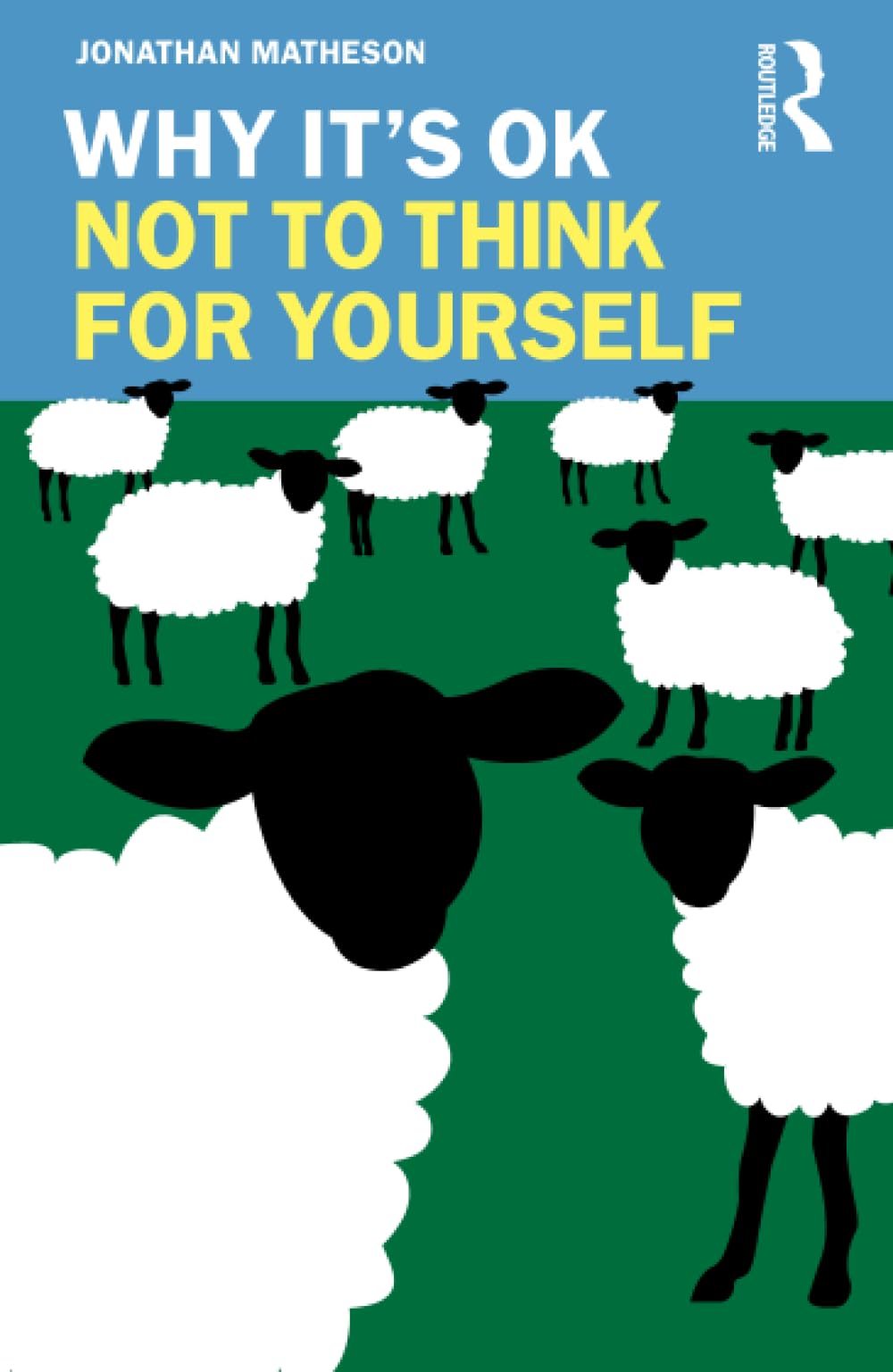
Why It's OK Not to Think for Yourself book cover
#14

Why It's OK Not to Think for Yourself

2023

We tend to applaud those who think for the ever-curious student, for example, or the grownup who does their own research. Even as we’re applauding, however, we ourselves often don’t think for ourselves. This book argues that’s completely OK. In fact, it’s often best just to take other folks’ word for it, allowing them to do the hard work of gathering and evaluating the relevant evidence. In making this argument, philosopher Jonathan Matheson shows how 'expert testimony' and 'the wisdom of crowds' are tested and provides convincing ideas that make it rational to believe something simply because other people believe it. Matheson then takes on philosophy’s best arguments against his thesis, including the idea that non-self-thinkers are free-riding on the work of others, Socrates’ claim that 'the unexamined life isn’t worth living,' and that outsourcing your intellectual labor makes you vulnerable to errors and manipulation. Matheson shows how these claims and others ultimately fail—and that when it comes to thinking, we often need not be sheepish about being sheep. Key Features
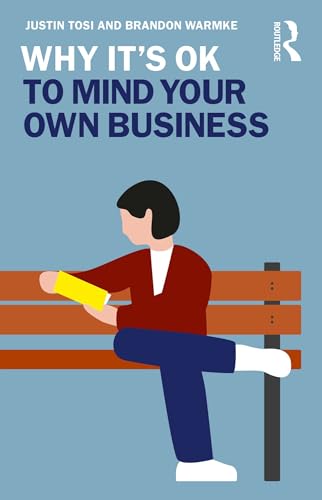
Why It's OK to Mind Your Own Business book cover
#15

Why It's OK to Mind Your Own Business

2023

Every year, millions of students in the United States and around the world graduate from high school and college. Commencement speakers—often distilling the hopes of parents and four years of messaging from educators—tell graduates that they must do something grand, ambitious, or far-reaching. Change the world. Disrupt the status quo. Every problem in the world is your problem, awaiting your solutions. This book is an antidote to that advice. It provides a clear-eyed assessment of three types of people who tend to believe and promote a commencement speaker’s view of the the moralizer, who imposes unnecessary social costs by inappropriately enforcing morality; the busybody, who thinks the stranger and close friend merit equal shares of our benevolent attention; and the pure hearted, who equates acting with good intentions with just outcomes. The book also provides a bold defense of living an ordinary life by putting down roots, creating a good home, and living in solitude. A quiet, peaceful life can be generous and noble. It’s OK to mind your own business.
Why It's OK to Be a Gamer book cover
#16

Why It's OK to Be a Gamer

2024

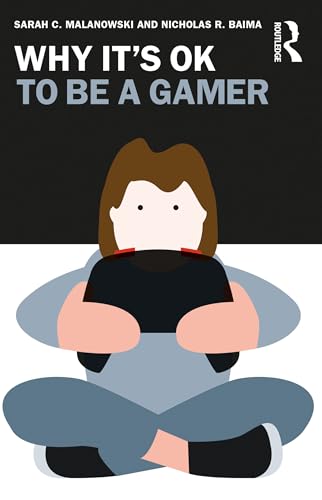
If you enjoy video games as a pastime, you are certainly not alone—billions of people worldwide now play video games. However, you may still find yourself reluctant to tell others this fact about yourself. After all, we are routinely warned that video games have the potential to cause addiction and violence. And when we aren’t being warned of their outright harms, we are told we should be doing something better with our time, like going outside, socializing with others, or reading a book. Playing video games is thus often seen at best as a waste of time, and at worst a source of violent tragedy. Why It’s OK to Be a Gamer takes on the pervasive assumption that playing video games is a childish and time-wasting hobby, and a potentially addictive and dangerous one at that. It argues instead that there are many ways in which gaming can help us flourish, for example developing genuine friendships and other meaningful relationships with others, helping us cultivate a virtuous personal character, giving us a unique aesthetic experience, providing us with psychological benefits, and just plain helping us relax and enjoy ourselves. Video games are not just for those with no life; on the contrary, they can help contribute to a rich and meaningful life. Key Features Introduces the philosophy of video games in a humorous and lively way with lots of engaging examples Defends gaming through a virtue theoretic approach Discusses contemporary psychology and neuroscience literature on gaming Includes discussion of gamers, video games, and common experiences of gaming
Why It’s OK to Be Fat book cover
#17

Why It’s OK to Be Fat

2024

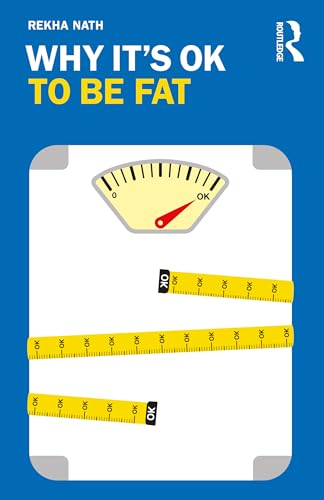
Officially, Western societies are waging a war on obesity. Unofficially, we are waging a war on fat people. Anti-fat sentiment is pervasive, and fat people suffer a host of harms as a workforce discrimination, inferior medical care, relentless teasing, and internalized shame. A significant proportion of the population endures such harms. Yet, that is not typically regarded as a serious problem. Most of us aren’t quite Is it really OK to be fat? This book argues that it is. In Why It’s OK to Be Fat, Rekha Nath convincingly argues that conventional views of fatness in Western societies—as a pathology to be fixed or as a moral failing—are ill-conceived. Combining careful empirical investigation with rigorous moral argumentation, this book debunks popular narratives about weight, health, and lifestyle choices that underlie the dominant cultural aversion to fatness. It argues that we should view fatness through the lens of social equality, examining the wide-ranging ways that fat individuals fail to be treated as equals. According to Nath, it is high time that we recognize sizeism—the systematic ways that our society penalizes fat individuals for their size—as a serious structural injustice, akin to racism, sexism, and homophobia. For additional online material from the author, related to this book, please see rekhanath.net

Why It's OK to Be Amoral book cover
#18

Why It's OK to Be Amoral

2024

Why it’s OK to Be Amoral argues that self-righteous moralism has replaced religion as a source of embattled and gratuitous certainties. It offers readers a vigorous and entertaining polemic against both the popular tendency to moralise and philosophers’ attempts to justify morality's supposed “laws” and “commands.” High-minded moral convictions invoke the authority of sacred moral truths; but there are no such truths. In reality, moral passions are rooted in atavistic emotional dispositions and arbitrary social conventions. While public and private discourse is saturated with guilt, shame, and righteous indignation, professional philosophers, under cover of clever argumentation, promote the utopian idea that all practical questions have uniquely right answers—providing that you adopt the right moral principles. But their justifications for those principles appeal to contested “foundations,” among which no rational adjudication is possible. Moreover, because there are two discrepant ways of understanding motivation, our access to agents’ true reasons is never sufficiently reliable to warrant moral praise or blame. Finally, every agent has a wide diversity of reasons for action; yet moralists claim that some reasons trump all others, because they are “moral” reasons. Since these too must be grounded in facts, that amounts to double counting some reasons. Having exposed these aspects of the institution of morality, this book suggests that if we cannot abstain altogether from moralising, we can at least try to use it against itself. Key Features Describes and criticises seven approaches to the question, Why should I do or not do X? Develops an original objection to the idea of identifying a domain of moral namely, that it amounts to the unwarranted double counting of a subset of our reasons. Describes two ways of thinking about reasons and choices, and explains how the discrepancy between them makes it impossible to assess an agent’s motivation reliably enough to warrant moral praise or blame. Outlines the subtle changes in attitude involved in espousing amoralism, without giving up on rational choices and honest political commitments.
Why It's OK to Have Bad Spelling and Grammar book cover
#19

Why It's OK to Have Bad Spelling and Grammar

2025

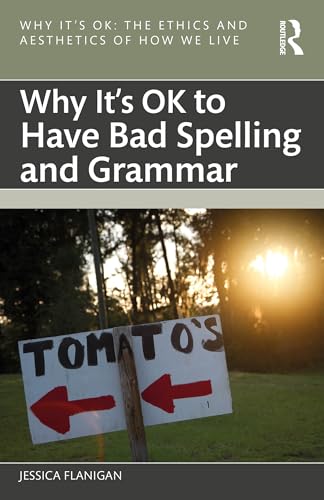
Grammatical errors and orthographic mishaps are often played for laughs, but this subtle sanctioning by the sticklerocracy can have real social consequences too. Attention to prescriptive spelling and grammar rules is insidious and harmful. As Jessica Flanigan argues in Why it’s OK to Have Bad Spelling and Grammar, grammarianism often maintains existing hierarchies, entrenches the advantages of privileged groups, and imposes arbitrary barriers to knowledge production and innovation. For example, the stigmatization of bad spelling and grammar disadvantages linguistic minorities, non-native speakers, and people with disabilities. Spelling and grammar norms are also frequently arbitrary and unnecessary. The petty grammandos among us, who cling to pedantic linguistic conventions, are standing in the way of innovative forms of communication and efficient speech, such as the emoji. For these reasons, Flanigan argues that bad spelling and grammar are OK. It’s time to break free from the tyranny of the grammilitia in the name of improving understanding and creativity. As long as speakers and writers can effectively communicate to charitable listeners and readers, people shouldn’t care about bad spelling and grammar. Key Features Explains why spelling tests and spelling bees are counterproductive in achieving literacy and better communication Engages with the history of language policing and the brave anti-grammarian resistance Describes some of the key benefits of linguistic liberalism Proposes a political agenda to resist the sticklerocracy and overthrow a world of word nerds

Authors

548 Market St PMB 65688, San Francisco California 94104-5401 USA
© 2026 Paratext Inc. All rights reserved