Margins




548 Market St PMB 65688, San Francisco California 94104-5401 USA
© 2026 Paratext Inc. All rights reserved
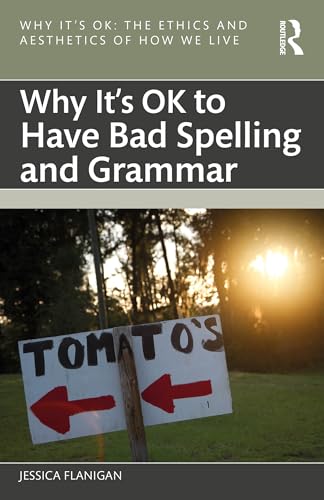
Grammatical errors and orthographic mishaps are often played for laughs, but this subtle sanctioning by the sticklerocracy can have real social consequences too. Attention to prescriptive spelling and grammar rules is insidious and harmful. As Jessica Flanigan argues in Why it’s OK to Have Bad Spelling and Grammar, grammarianism often maintains existing hierarchies, entrenches the advantages of privileged groups, and imposes arbitrary barriers to knowledge production and innovation. For example, the stigmatization of bad spelling and grammar disadvantages linguistic minorities, non-native speakers, and people with disabilities. Spelling and grammar norms are also frequently arbitrary and unnecessary. The petty grammandos among us, who cling to pedantic linguistic conventions, are standing in the way of innovative forms of communication and efficient speech, such as the emoji. For these reasons, Flanigan argues that bad spelling and grammar are OK. It’s time to break free from the tyranny of the grammilitia in the name of improving understanding and creativity. As long as speakers and writers can effectively communicate to charitable listeners and readers, people shouldn’t care about bad spelling and grammar. Key Features Explains why spelling tests and spelling bees are counterproductive in achieving literacy and better communication Engages with the history of language policing and the brave anti-grammarian resistance Describes some of the key benefits of linguistic liberalism Proposes a political agenda to resist the sticklerocracy and overthrow a world of word nerds