Books in series

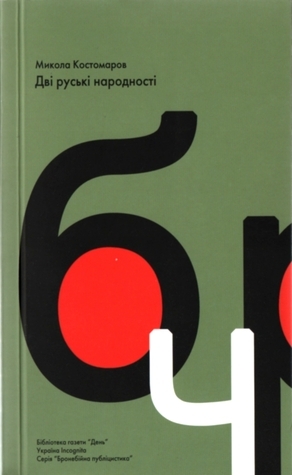
Дві руські народності
1861

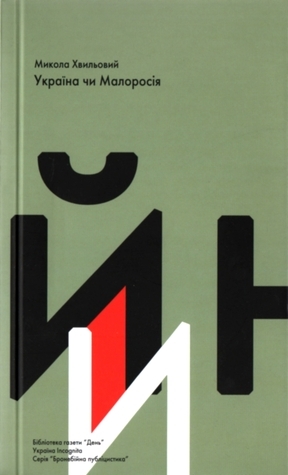
Україна чи Малоросія
2012

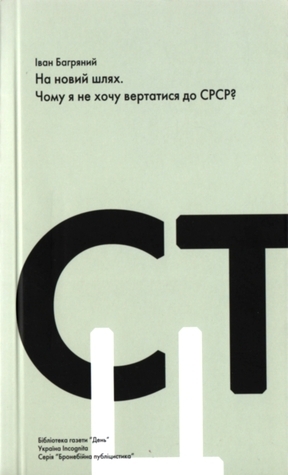
На новий шлях. Чому я не хочу вертатися до СРСР?
2012
Authors

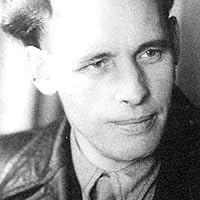
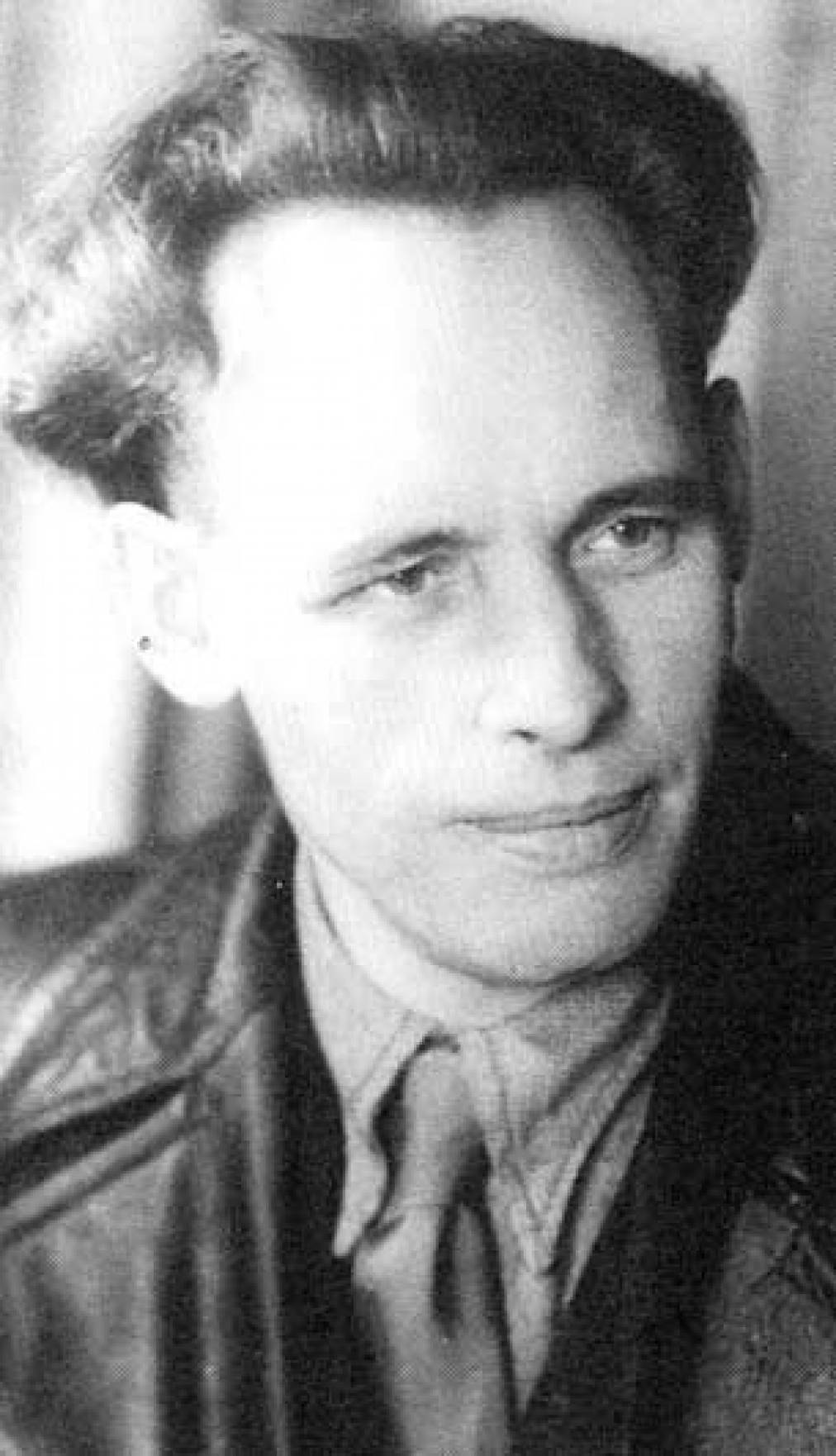
See also Іван Багряний Poet, writer, and publicist Ivan Bahrianyi was lucky – twice he managed to leave the Soviet camps alive. Later, he was able to leave the USSR. In his homeland, his name was erased from memory for a long time. Only with the restoration of Ukraine’s independence Ivan Bahrianyi was able to return symbolically—he was rehabilitated in 1991, and his creative legacy finally began to be published and studied. Ivan Lozoviahin—Bahrianyi’s real surname—was born in Okhtyrka, the Slobozhanshchyna region. “I was still a little 10-year-old boy when the Bolsheviks invaded my consciousness with a bloody nightmare, acting as the executioners of my people, and it was 1920. He lived then with his grandfather in the village, at the apiary. Grandfather was 92 years old and was a one-armed cripple. Then one day, in the evening, some armed people came, speaking in a foreign language, and in front of my eyes and the eyes of other grandchildren, they killed him, and with him one son (and my uncle) under our frantic screams. They tortured my grandfather because he was a wealthy Ukrainian farmer (he owned 40 acres of land) and was against the “commune,” and my uncle because he was a soldier of the national army of the Ukrainian People’s Republic during the national liberation struggle in 1917-18. For fighting for the freedom and independence of his people,” Bahrianyi would later write in the pamphlet “Why I am not going back to the Soviet Union.” His second uncle, who escaped the massacre because he could escape, was later caught and exiled to Solovetsky islands, where he died. “Later, my whole family and I followed the same paths,” the writer noted. In the meantime, the young man tried to survive in the misanthropic Bolshevik state. In his youth, he was a teacher – he had a talent for drawing, so he taught children. He even entered the Kyiv Art Institute but never finished it due to financial difficulties and political unreliability. Therefore, he often changed his place of work and worked in the mines of Donbas. In 1925, in Kamianets-Podilskyi, he was an illustrator in the newspaper “Chervony Kordon,” where he printed his first poems. The same year, under the pseudonym I. Poliarnyi, he published a small collection: “Black Silhouettes: Five Stories” in Okhtyrka, in which he described the unattractive life in the “land of the Soviets.” Ivan Bahrianyi was a member of the literary organization of Kyiv writers “MARS” (“Workshop of the revolutionary word”). In 1927, the first collection of poems “Do mezh zakazannyh”(To the limits ordered) was published, and in 1929 – the poem “Ave Maria,” was immediately forbidden by censorship. The historical novel in verse “Skelka” (1930) was accused of “carrying out counter-revolutionary agitation.” With his works, Bahrianyi constantly maneuvers over the imaginary abyss where all those disloyal to the Bolshevik regime found themselves. On April 16, 1932, the writer was arrested, and after 11 months of imprisonment in the Kharkiv “internal prison,” was sent on a 5-year exile to the Far East. In 1938, a second arrest and a new accusation: participation in a nationalist counter-revolutionary organization. In 1940 due to severe lung disease, the writer was released. And Ivan Bahrianyi wrote about the arrest, torture, and exile in the novel “Sad Hetsymanskyi” (“Garden of Gethsemane”) (1950). During the Second World War, the poet managed to leave for Halychyna, where he wrote the novel “The Beast Hunters” (1944, republished in 1946-1947 under the title “The Tiger Hunters” ). Soon he emigrated to Slovakia, then Austria and Germany. Far from his homeland, Bahrianyi openly wrote about what hurt and worried him.

See also Ivan Bahriany Ворог радянського імперіалізму, якого не подужали енкаведисти. Письменник, якому на диво не заважала, а тільки допомагала політична заанґажованість. Іван Багряний – герой із яскравою, карколомною біографією: і творчою, і особистою, і політичною. Народився 2 жовтня 1906р. в м. Охтирці на Полтавщині у родині сільського робітника-муляра. Навчався у вищій початковій школі, з 1920р. – у ремісничій профтехшколі, звідки перевівся в Краснопільську художньо-керамічну. У 1924р. вступив до Охтирської філії організації «Плуг». У 1925р. під псевдонімом Полярний надрукував свою першу книжку оповідань «Чорні силуети». У 1926р. вступив до Київського художнього інституту, який не закінчив через матеріальну скруту. Тоді під псевдонімом Багряний друкував поезії й оповідання в журналах «Глобус», «Життя й революція», «Червоний шлях» та «Плужанин». Його прийняли до організації МАРС. У 1929р. з’явилася збірка поезій «До меж заказаних» У 1930р. з’являється історичний роман у віршах «Скелька» 16 квітня 1932р. заарештовано за контрреволюційну і націоналістичну діяльність. 16 червня 1938р. знову заарештовують. У 1944р. змушений був емігрувати в Німеччину, залишивши дружину з дітьми вдома. У 1945р. засновує газету «Українські вісті», бере участь у створенні організації МУР (Мистецький український рух), засновує ОДУМ (Об’єднання демократичної української молоді). У 1946р. кількома мовами за кордоном надруковано його памфлет «Чому я не хочу вертати на «родіну»?» Знайшов порятунок душі у новій родині, де народилися син Нестор і донька Роксолана. Помер на 57-му році життя 25 серпня 1963р. Західні дослідники творчості Івана Багряного відзначали унікальну здатність письменника до «кошмарного гротеску», неабиякого гумору серед відчаю, оптимізму — серед трагедії в глухій війні, що проводиться на величезних просторах євразійської імперії. Юзеф Лободовський твердить, що «Сад Гетсиманський» перевищує силою вислову все, що дотепер на цю тему було написано, з другого ж боку — є виразним свідченням глибокого гуманізму автора, що на самому дні пекла зумів побачити людські прикмети навіть у найозвіріліших осібняків". Популярність іншого роману «Тигролови», що його Юрій Шерех вважав утвердженням жанру українського пригодницького роману, — «українського всім своїм духом, усім спрямуванням, усіми ідеями, почуттями, характерами», спричинилася до пародіювання Мосендзом та Кленом образу багрянівського Григорія Многогрішного. Так з'явився гумористичний Горотак, що на думку Лавріненка, читався радше як беззлобний дружній шарж. Зате незадовго до смерті письменника, а саме 1963 року, з'явився друком плід заздрості й ненависті до Багряного, схоже, що витвір аноніма, бо псевдонім і досі не розшифровано, — брудна книженція «На літературному базарі. Поезія, проза і публіцистика Івана Багряного».

Russian Cyrillic profile: Николай Иванович Костомаров Historian, publicist, and writer. He graduated from the Voronezh gymnasium and then in 1837 from Kharkiv University. From 1844 to 1845 Kostomarov taught history at the Rivne and at the First Kyiv gymnasiums. In 1846 he was appointed assistant professor in the Department of Russian History at Kyiv University. That year, along with Vasyl Bilozersky, Panteleimon Kulish, Mykola Hulak, Taras Shevchenko, and others, he formed the Cyril and Methodius Brotherhood. In Knyhy bytiia ukraïns’koho narodu (Books of the Genesis of the Ukrainian People), Ustav Slov'ians’koho tovarystva sv Kyryla i Metodiia: Holovni ideï (The Statute of the Slavic Society of Saints Cyril and Methodius: Its Main Ideas), and two proclamations, Kostomarov formulated the society's program and basic ideas: Christian piety, democratic republicanism, a Ukrainian national renaissance, Ukrainian messianism, and Pan-Slavic federalism. In 1847 he was arrested along with all the other members of the society and sentenced to one year's imprisonment in the Peter and Paul Fortress in Saint Petersburg, followed by exile. Until 1856 he lived in exile in Saratov, serving as a chancellery clerk. Three years later he moved to Saint Petersburg, where he was appointed to the Chair of Russian History at the university. Because of his political involvements he had to resign his university position in 1862 and could not accept offers from other universities. From then on he devoted himself exclusively to research. Kostomarov wrote a number of fundamental works on the history of Ukraine in the 16th–18th centuries. Among them were Bogdan Khmel’nitskii i vozvrashchenie Iuzhnoi Rusi k Rossii (Bohdan Khmelnytsky and the Return of Southern Rus’ to Russia, 1st edn in Otechestvennye zapiski, 1857, vols 110–13; 2nd edn in 2 vols, 1859; 3rd edn in 3 vols, 1876), Ruina, istoricheskaia monografiia iz zhizni Malorossii 1663–1687 gg. (The Ruin: A Historical Monograph on the Life of Little Russia from 1663 to 1687, 1st edn in Vestnik Evropy, nos 4–9 [1879] and nos 7–9 [1880]), and ‘Mazepa i Mazepintsy’ (Mazepa and the Mazepists, in Russkaia mysl’ [1882–4]). These works are based on extensive documentary material that, as a member of the Saint Petersburg Archeographic Commission, Kostomarov collected in Saint Petersburg and Moscow archives and partly published in Akty, otnosiashchiesia k istorii Iuzhnoi i Zapadnoi Rossii (Documents on the History of Southern and Western Russia, 10 vols, 1861–78). He also wrote a series of books on Russian history. His historical monographs and articles were published by the Literary Fund in Saint Petersburg. Its last edition of his works, in eight volumes, came out in 1903–6. He was the author of Russkaia istoriia v zhizneopisaniiakh eia vazhneishikh deiatelei (Rus’ History in the Biographies of Its Important Figures, 1874–6), which was devoted mostly to Ukrainian historical figures. This work was translated into Ukrainian and published in the journal Pravda and separately under the title Rus’ka istoriia v zhyttiepysakh ïï naiholovnishykh diiateliv (1875–7), then republished as Ukraïns’ka istoriia v zhyttiepysakh ïï naiznamenytnishykh diiachiv (1918). Kostomarov was the founder of the populist trend in Ukrainian historiography. He believed that the purpose of the historical sciences was to describe the past of human communities. In his historicophilosophical studies, such as ‘Mysli o federativnom nachale v drevnei Rusi’ (Reflections on the Federative Principle in Ancient Rus’), ‘Dve russkie narodnosti’ (Two Rus’ Peoples), and ‘Cherty narodnoi iuzhnorusskoi istorii’ (Characteristics of Popular South-Rus’ History), which were all published in Osnova (Saint Petersburg), nos 1–3 (1861), and in his journalistic articles, such as ‘Pravda moskvicham o Rusi’ (The Truth about Rus’ for Muscovites), ‘Pravda poliakam o Rusi’ (The Truth about Rus’ for Poles), and his letter to the editor of Kol

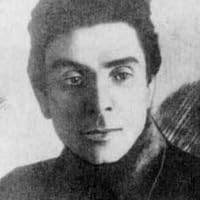
Mykola Khvylovy (Ukrainian: Микола Хвильовий, Khvyl’ovyy) (December 13 [O.S. December 1] 1893 – May 13, 1933) was a Ukrainian writer and poet of the early Communist era Ukrainian Renaissance (1920–1930). Born as Mykola Fitilyov in Trostyanets, Kharkov Governorate to a Russian laborer father and Ukrainian schoolteacher mother, Khvylovy joined the Communist Party in 1919. In the same year he became the chief of local Cheka in Bohodukhiv povit. He moved to Kharkiv in 1921 and involved himself with writers connected to Vasyl Blakytny and the paper Visti VUTsVK (news from All-Ukrainian Central Executive Committee). In 1921, he also published his first poetry collection. In 1922, he began to focus more on prose writing. His initial collections Syni etiudy (Blue Etudes, 1923) and Osin’ (Autumn, 1924) generated approval from critics like Serhiy Yefremov, Oleksander Biletsky, Volodymyr Koriak, Yevhen Malaniuk and Dmytro Dontsov. His impressions of the work as a CheKa officer are reflected in his 1924 novel "I (Romance)", the hero of which - the head of the local Cheka - sentenced his mother to death in the name of the ideals of the revolution. A brief member of the literary organization Hart, Khvylovy later became critical of it and the organization Pluh and became a key leader of the VAPLITE organization of Ukrainian "proleteriat" writers. Because of Stalin's repressions against his friends in the pro-Ukrainian Communist movement, Khvylovy committed suicide on 13 May 1933 in front of his friends in his apartment in Kharkiv. His suicide note said: "Arrest of Yalovy - this is the murder of an entire generation ... For what? Because we were the most sincere Communists? I don't understand. The responsibility for the actions of Yalovy's generation lies with me, Khvylovy. Today is a beautiful sunny day. I love life - you can't even imagine how much. Today is the 13th. Remember I was in love with this number? Terribly painful. Long live communism. Long live the socialist construction. Long live the Communist Party."[1] After his death, his works were banned in the Soviet Union and because of his symbolic potency were mostly not permitted until near the end or after the collapse of the Soviet Union.