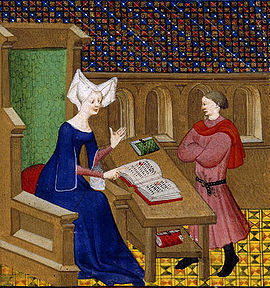
Christine de Pizan (also seen as de Pisan) (1363–c.1434) was a writer and analyst of the medieval era who strongly challenged misogyny and stereotypes that were prevalent in the male-dominated realm of the arts. De Pizan completed forty-one pieces during her thirty-year career (1399–1429). She earned her accolade as Europe’s first professional woman writer (Redfern 74). Her success stems from a wide range of innovative writing and rhetorical techniques that critically challenged renowned male writers such as Jean de Meun who, to Pizan’s dismay, incorporated misogynist beliefs within their literary works. In recent decades, de Pizan's work has been returned to prominence by the efforts of scholars such as Charity Cannon Willard and Earl Jeffrey Richards. Certain scholars have argued that she should be seen as an early feminist who efficiently used language to convey that women could play an important role within society, although this characterisation has been challenged by other critics who claim either that it is an anachronistic use of the word, or that her beliefs were not progressive enough to merit such a designation
Series
Books
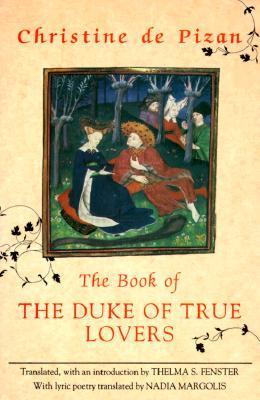
The Book of the Duke of True Lovers
1405
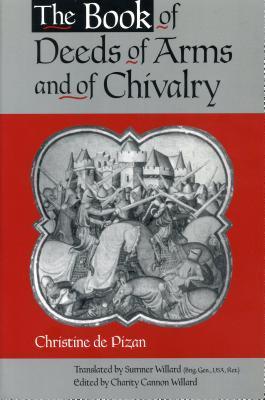
The Book of Deeds of Arms and of Chivalry
1401
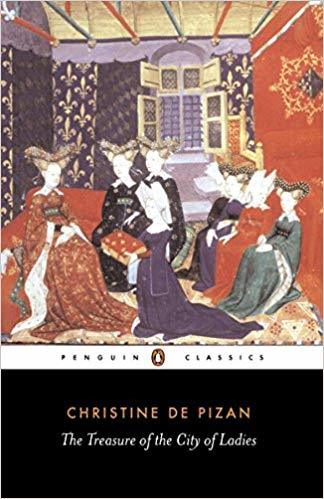
The Treasure of the City of Ladies
1405
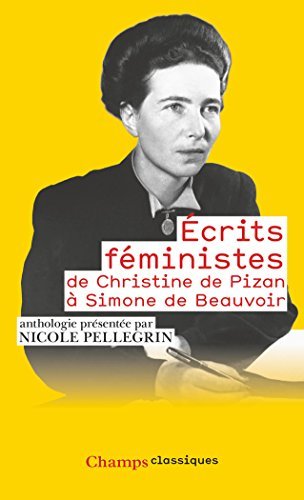
Écrits féministes
De Christine de Pizan à Simone de Beauvoir
2010
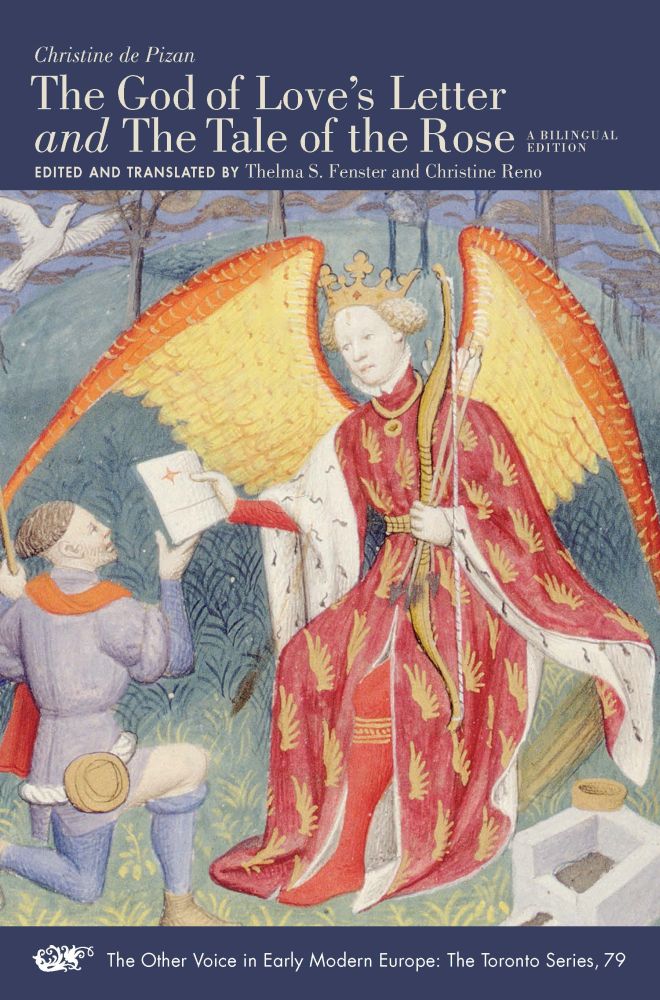
"The God of Love’s Letter" and "The Tale of the Rose"
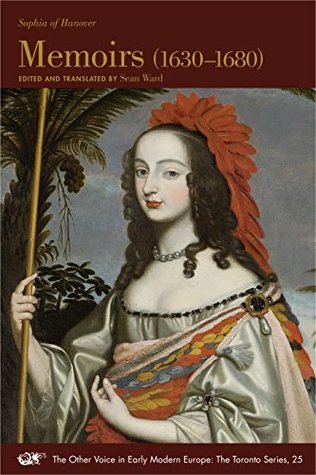
A Bilingual Edition. With Jean Gerson, “A Poem on Man and Woman,” Translated from the Latin by ... in Early Modern Europe: The Toronto Series)
2021
The Book of the Body Politic
1405
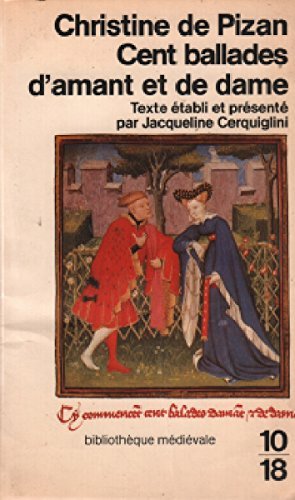
Cent ballades d'amant et de dame
1982

Ditié de Jehanne d'Arc
1429
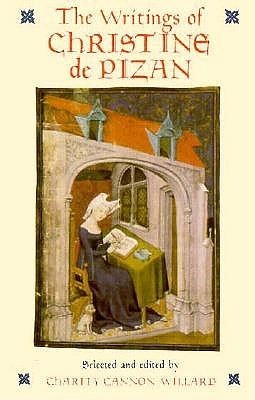
The Writings of Christine de Pizan
1993
Letter of Othea to Hector
1970
The Selected Writings of Christine de Pizan
1997

The Book of the City of Ladies
1405
Le chemin de longue étude
1999
The Debate on The Romance of the Rose
1401