Margins




548 Market St PMB 65688, San Francisco California 94104-5401 USA
© 2026 Paratext Inc. All rights reserved
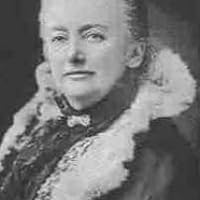
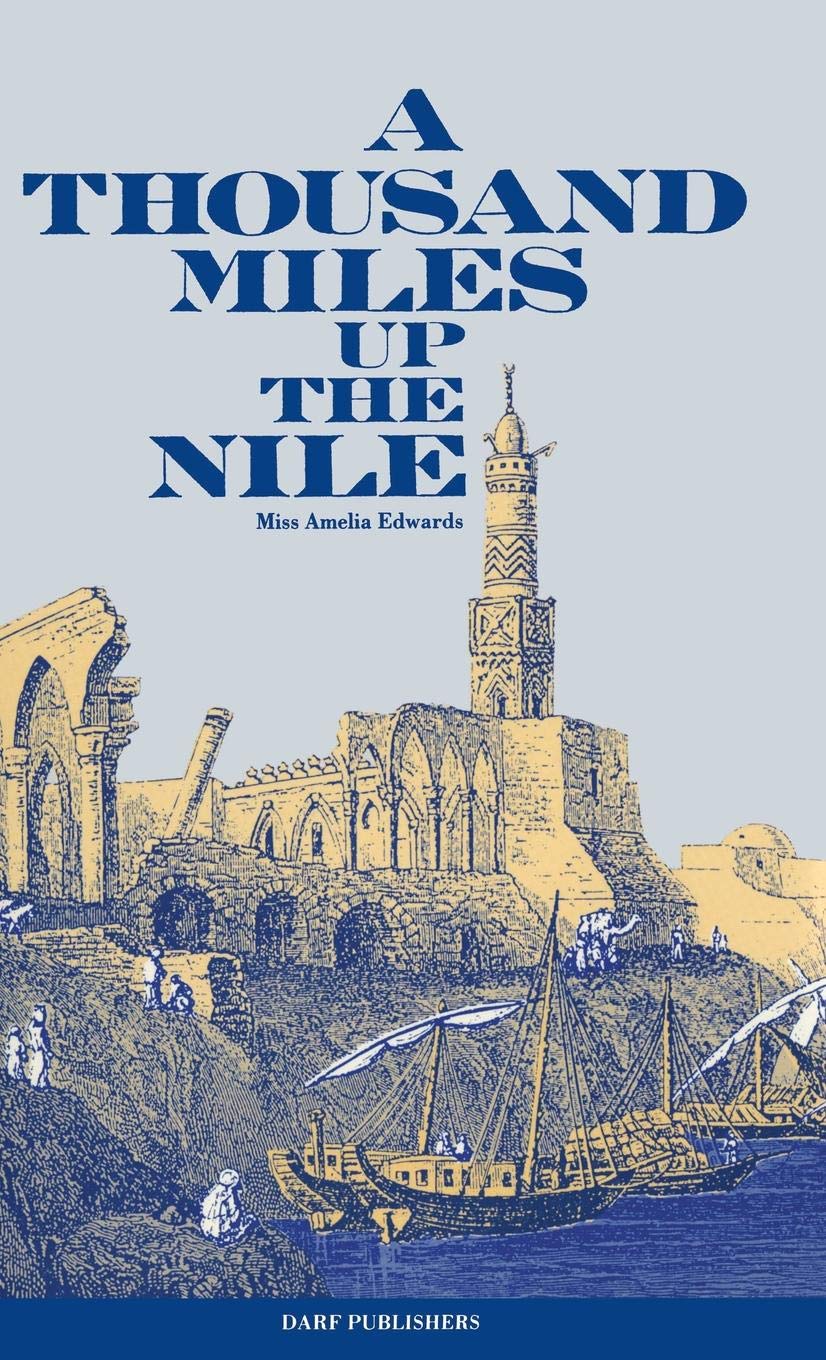
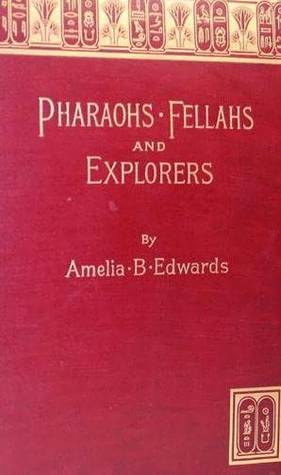
Amelia Ann Blandford Edwards An English novelist, journalist, lady traveller and Egyptologist, born to an Irish mother and a father who had been a British Army officer before becoming a banker. Edwards was educated at home by her mother, showing considerable promise as a writer at a young age. She published her first poem at the age of 7, her first story at age 12. Edwards thereafter proceeded to publish a variety of poetry, stories and articles in a large number of magazines. Edwards' first full-length novel was My Brother's Wife (1855). Her early novels were well received, but it was Barbara's History (1864), a novel of bigamy, that solidly established her reputation as a novelist. She spent considerable time and effort on their settings and backgrounds, estimating that it took her about two years to complete the researching and writing of each. This painstaking work paid off, her last novel, Lord Brackenbury (1880), emerged as a run-away success which went to 15 editions. In the winter of 1873–1874, accompanied by several friends, Edwards toured Egypt, discovering a fascination with the land and its cultures, both ancient and modern. Journeying southwards from Cairo in a hired dahabiyeh (manned houseboat), the companions visited Philae and ultimately reached Abu Simbel where they remained for six weeks. During this last period, a member of Edwards' party, the English painter Andrew McCallum, discovered a previously-unknown sanctuary which bore her name for some time afterwards. Having once returned to the UK, Edwards proceeded to write a vivid description of her Nile voyage, publishing the resulting book in 1876 under the title of A Thousand Miles up the Nile. Enhanced with her own hand-drawn illustrations, the travelogue became an immediate bestseller. Edwards' travels in Egypt had made her aware of the increasing threat directed towards the ancient monuments by tourism and modern development. Determined to stem these threats by the force of public awareness and scientific endeavour, Edwards became a tireless public advocate for the research and preservation of the ancient monuments and, in 1882, co-founded the Egypt Exploration Fund (now the Egypt Exploration Society) with Reginald Stuart Poole, curator of the Department of Coins and Medals at the British Museum. Edwards was to serve as joint Honorary Secretary of the Fund until her death some 14 years later. With the aims of advancing the Fund's work, Edwards largely abandoned her other literary work to concentrate solely on Egyptology. In this field she contributed to the ninth edition of the Encyclopædia Britannica, to the American supplement of that work, and to the Standard Dictionary. As part of her efforts Edwards embarked on an ambitious lecture tour of the United States in the period 1889–1890. The content of these lectures was later published under the title Pharaohs, Fellahs, and Explorer (1891). Amelia Edwards died at Weston-super-Mare, Somerset, on the 15 April 1892, bequeathing her collection of Egyptian antiquities and her library to University College London, together with a sum of £2,500 to found an Edwards Chair of Egyptology. She was buried in St Mary's Church Henbury, Bristol, Wikipedia: Amelia B. Edwards
1890

2000
1877
2021
1873
An Anthology
2025
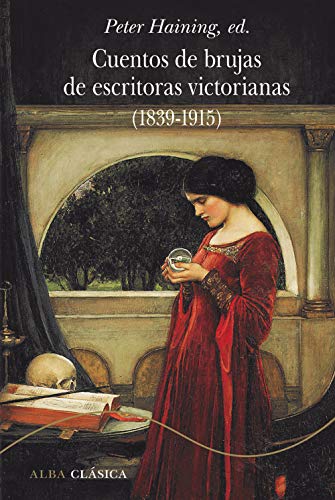
1971
1989
2004
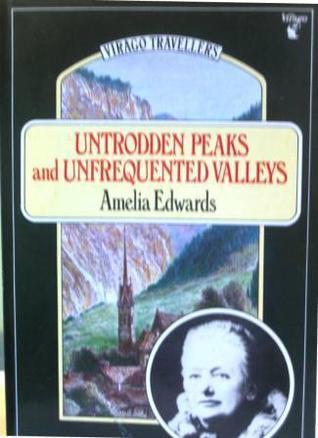
A Midsummer Ramble in the Dolomites
1873

120+ authors and 1000+ stories
2018
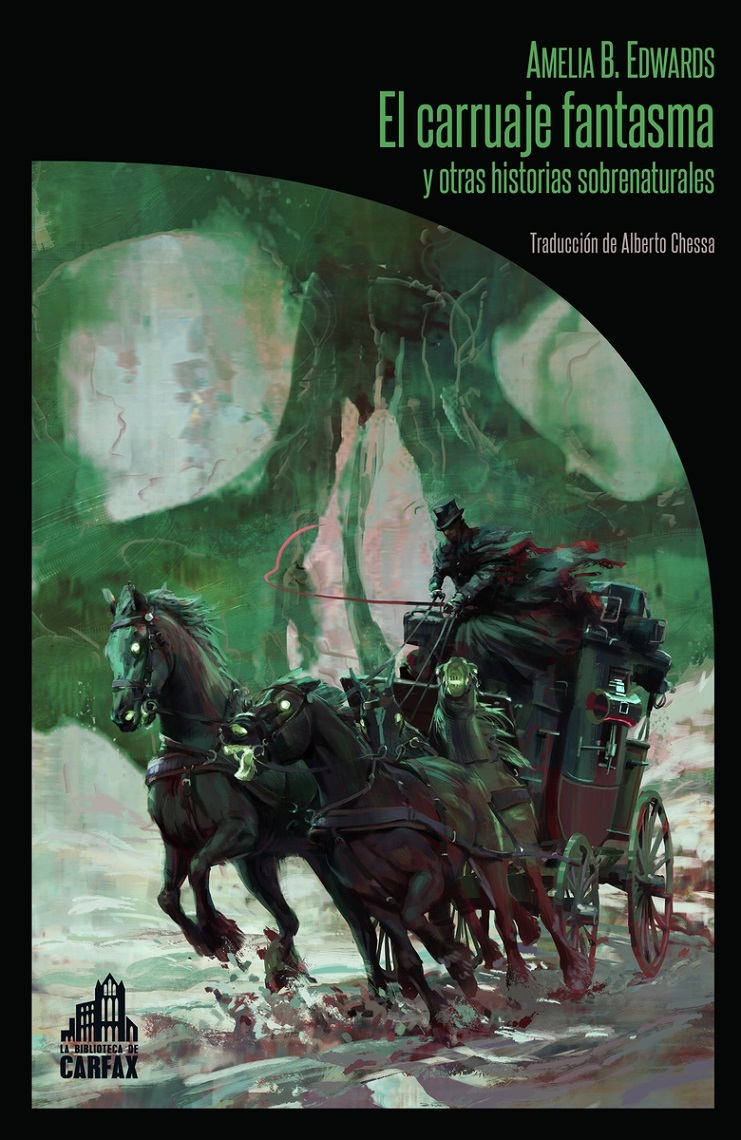
Contains Two Novelettes 'Monsieur Maurice' and 'The Discovery of the Treasure Isles
2009
1876
1881
2019

1930

1866
1948
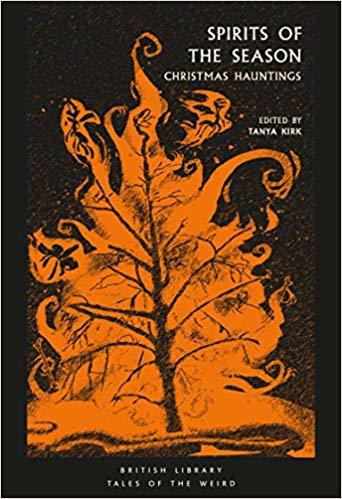
Christmas Hauntings
2019
2010

Mujeres que cuentan historias oscuras
2021

Cuentos de fantasmas de escritoras victorianas eminentes
2017

Spine-Chilling Stories of the Victorian Age
2017
2004

Stephen Fry's Definitive Collection
2023
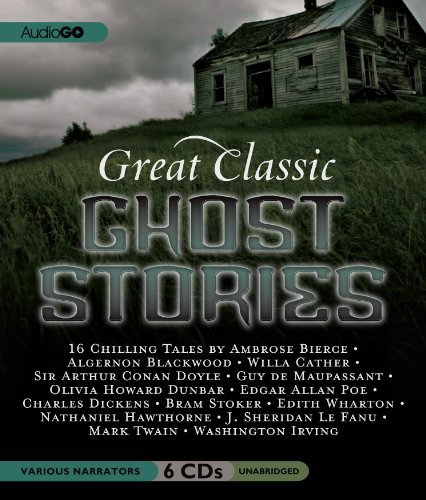
2026
2020
2010
1980
1891
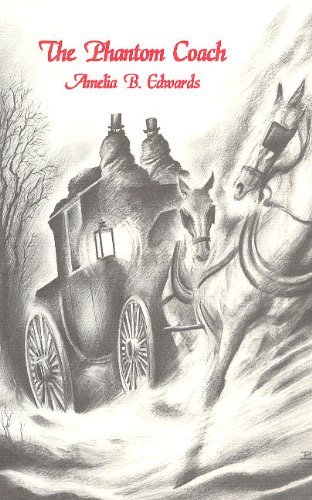
1999
Classic Ghost Stories for Christmas
2014
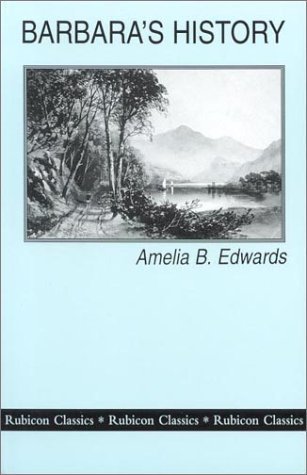
A Novel
1864
Tales of horror, mystery and the supernatural
2006